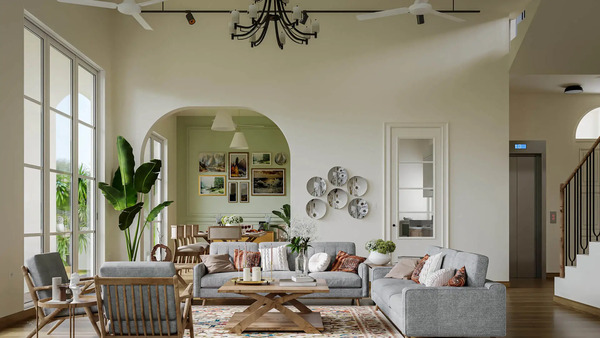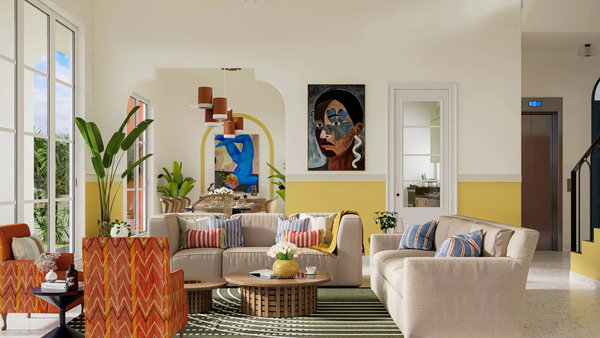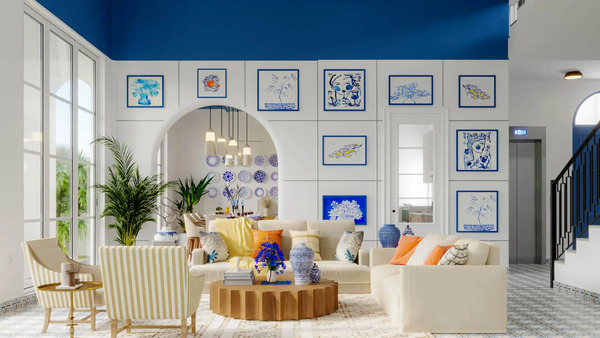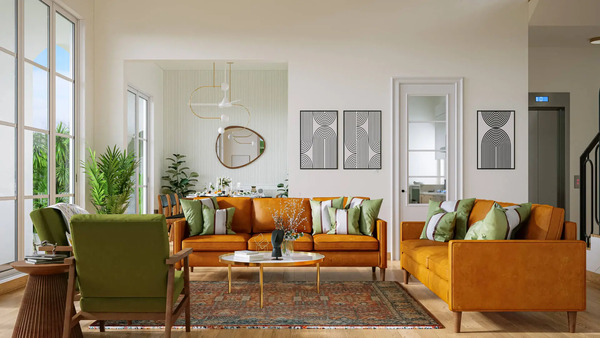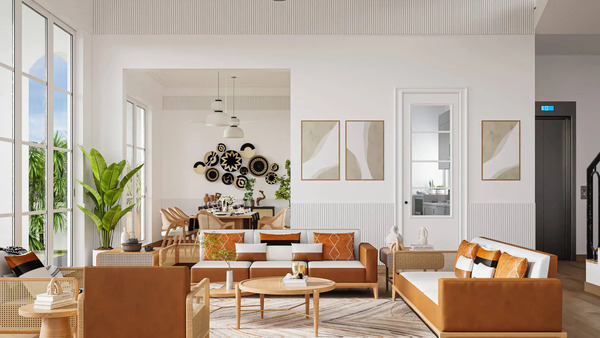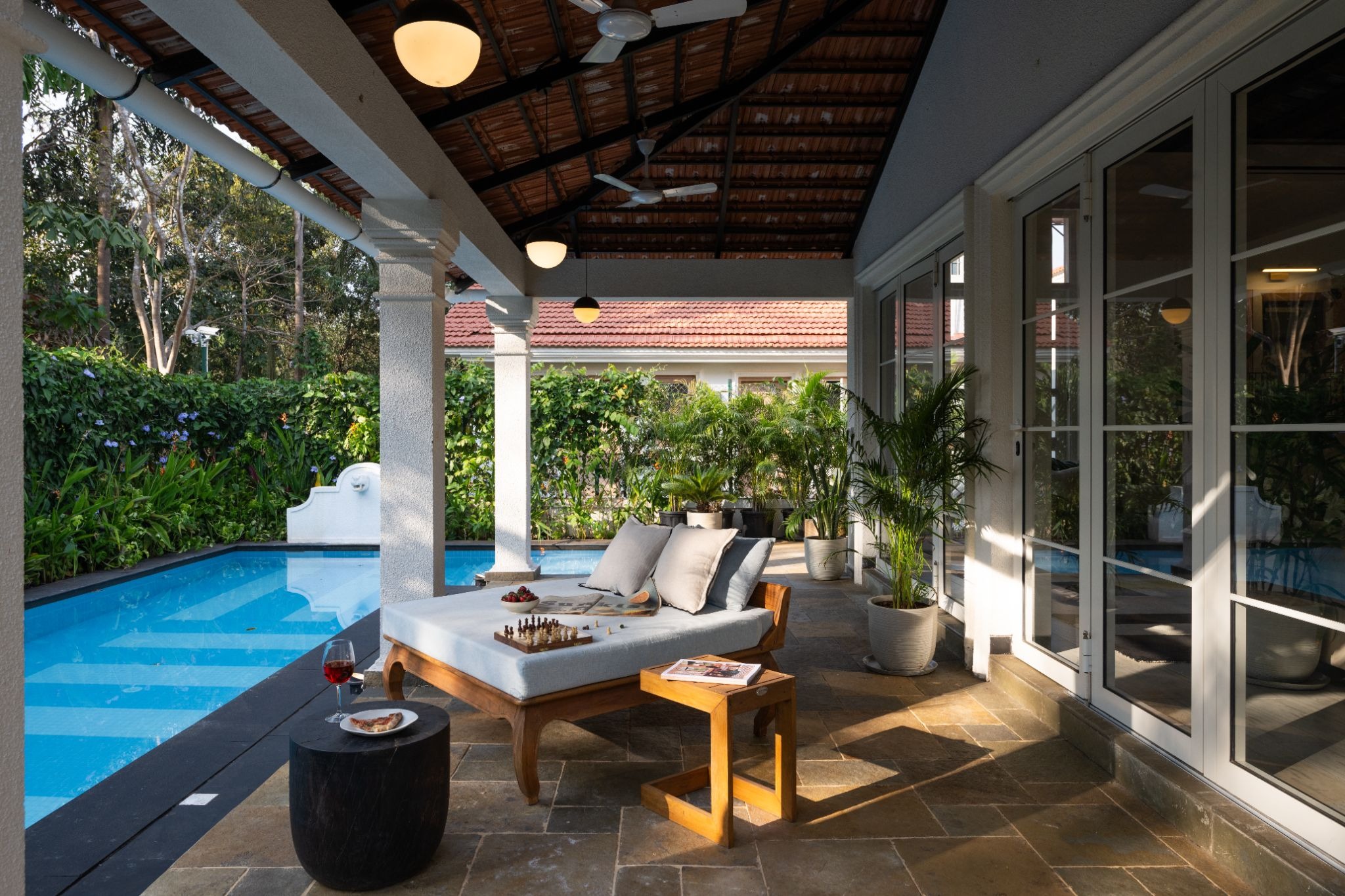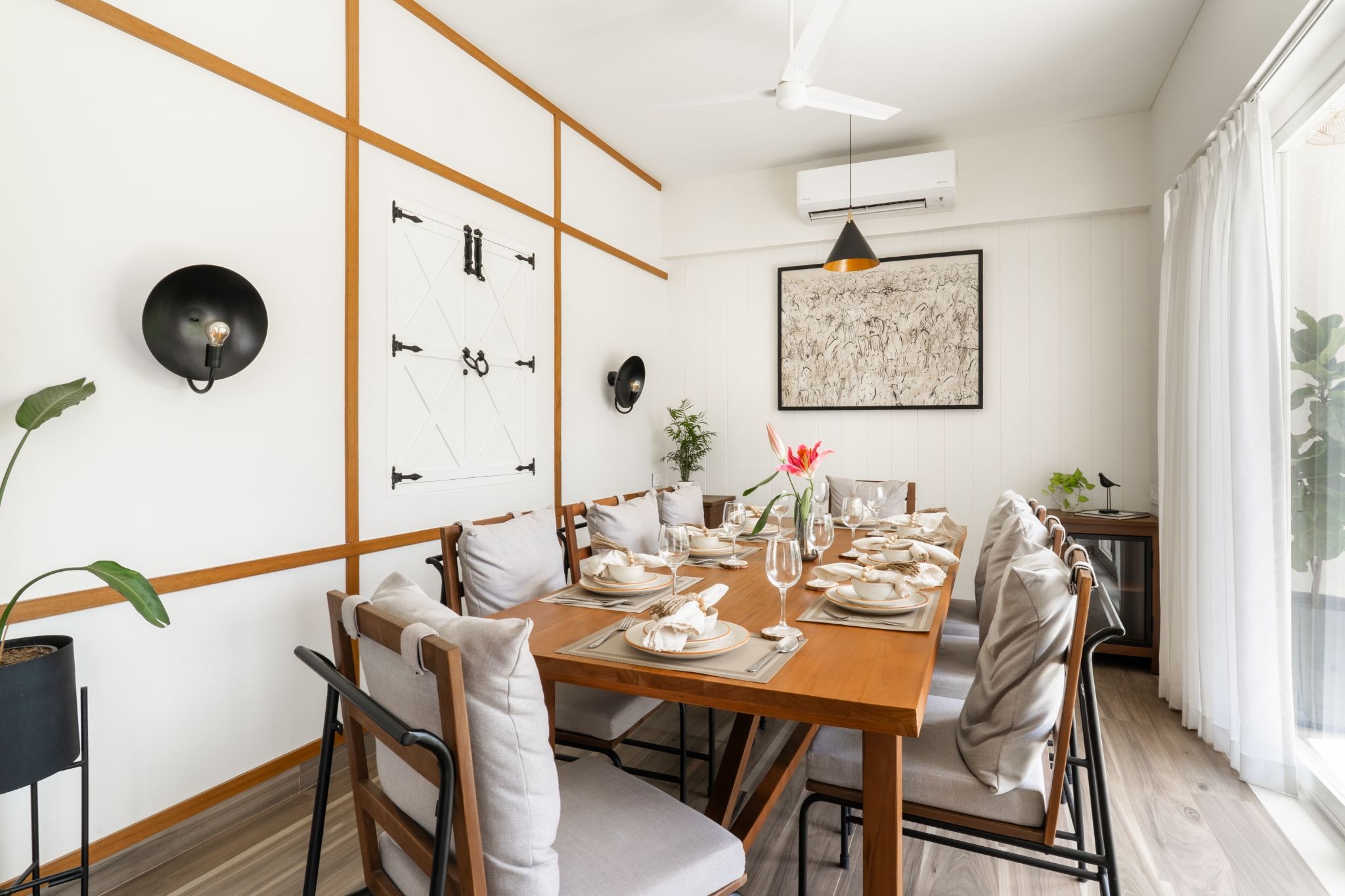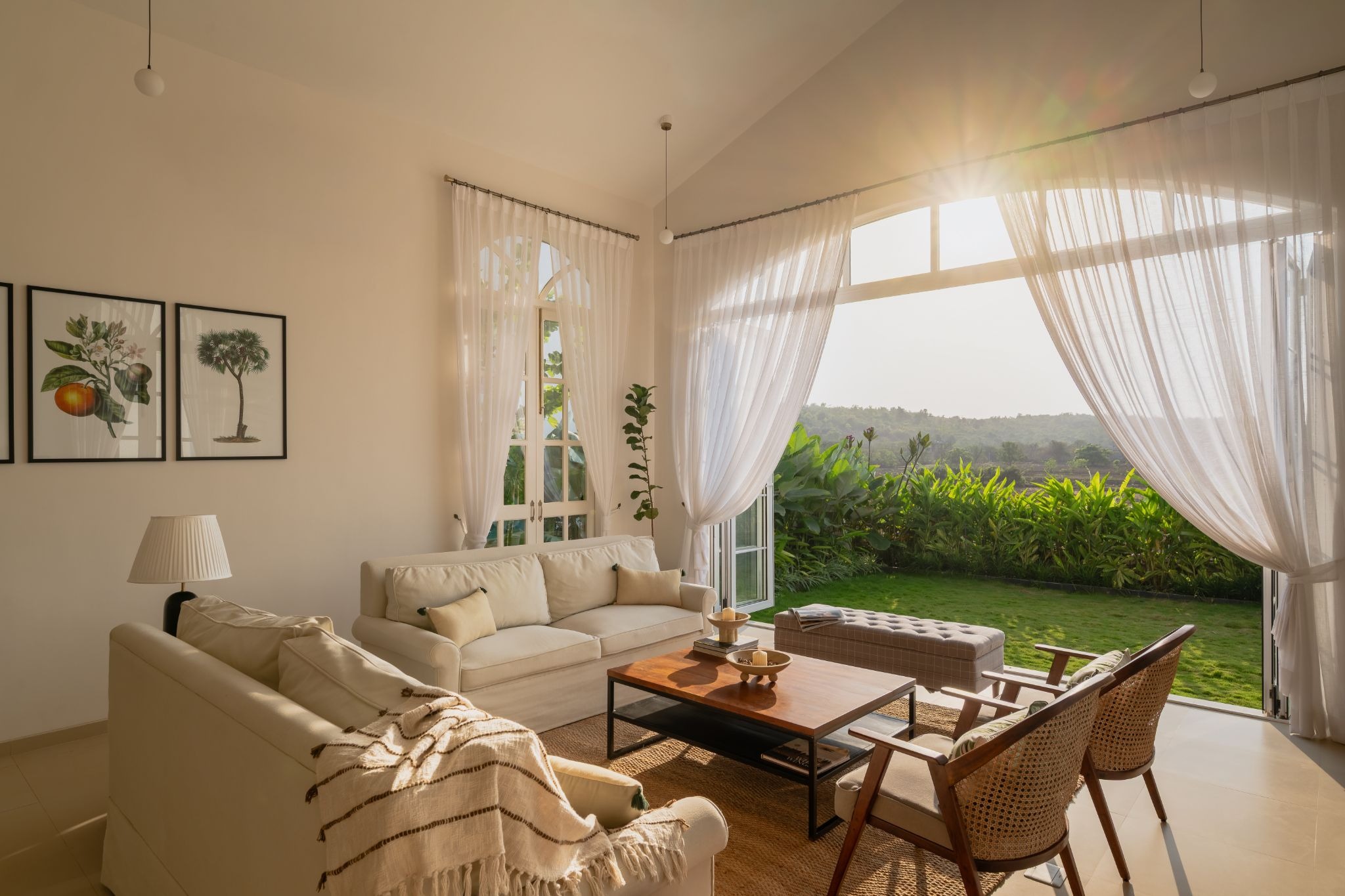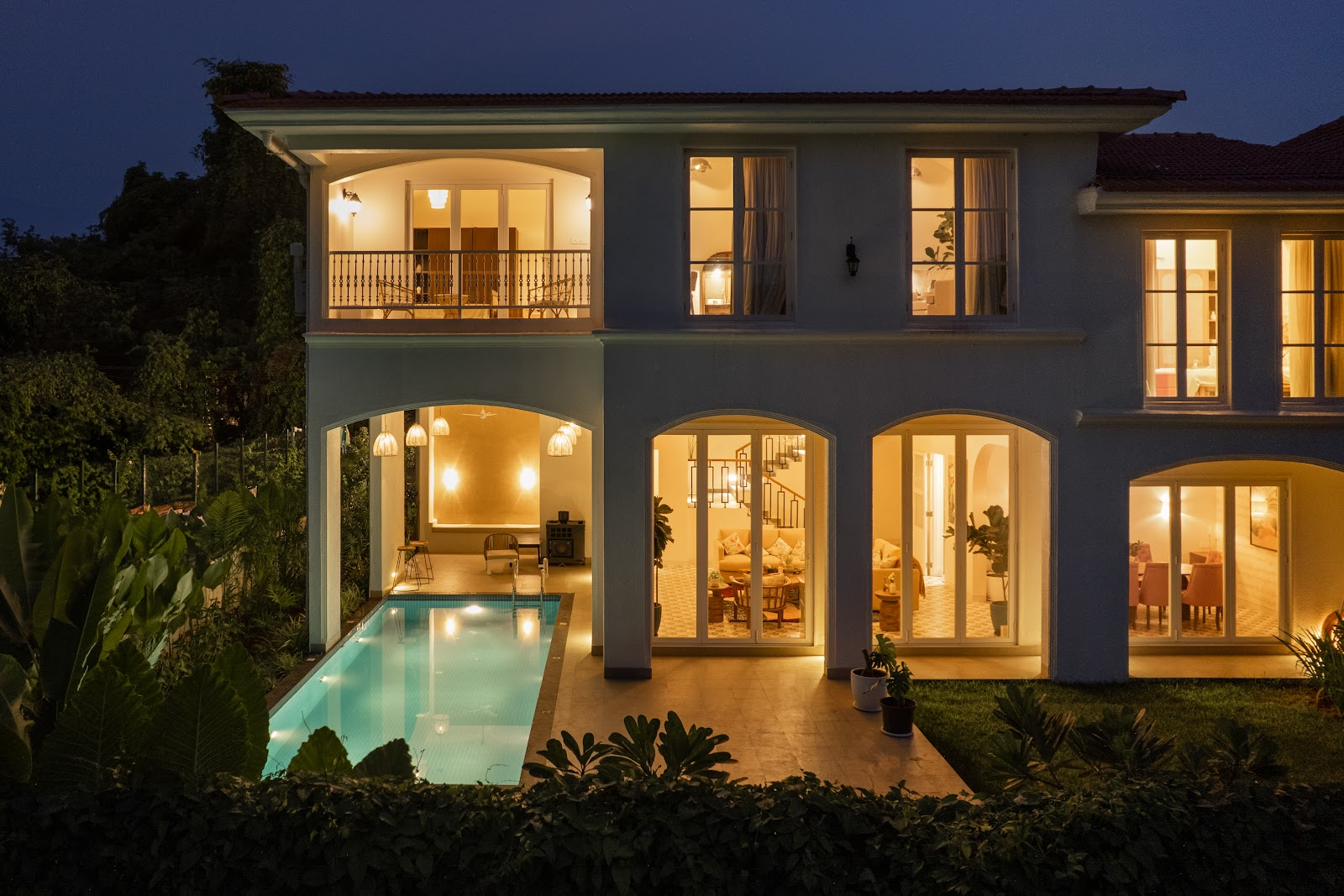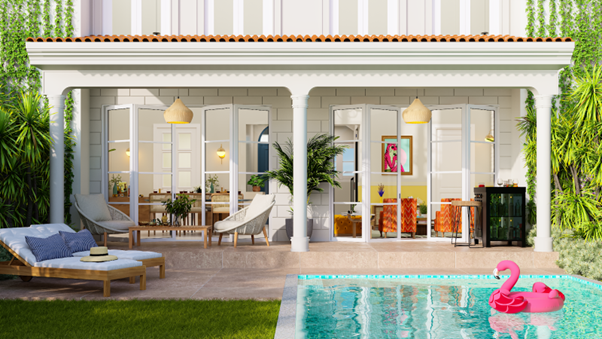
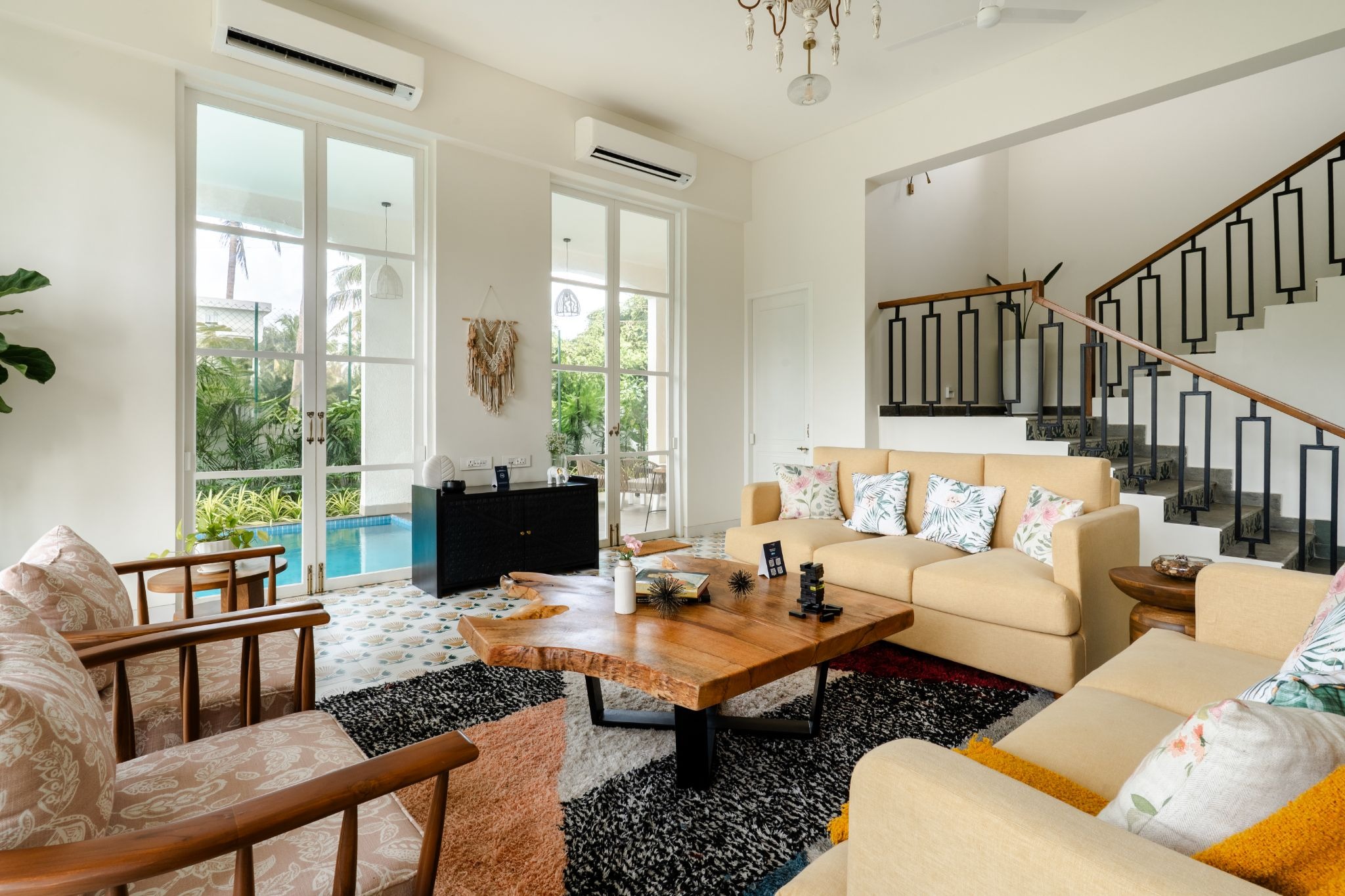
How intelligent home systems are transforming everyday routines into more seamless, personalised experiences.
Personalised Living Through Tech: How Residents at The Chapter Curate Their Homes
Luxury living is moving beyond how much space a home offers. The substantial question is how well the space responds to the way you live. Technology plays an important role in that shift, from lighting to climate control to security and entertainment. Smart home systems can make everyday spaces more efficient and personal.
India is seeing this transition: the country’s smart home user base surpassed 15 million in 2024.
Recent research suggests that the next stage of adoption will depend less on the number of connected devices and more on how seamlessly they work together in everyday life. For communities such as The Chapter, this points towards a new understanding of luxury. Homes that are not just equipped with technology but designed to adapt around their residents.
What Does Personalised Living Through Technology Mean?
A smart home can mean something as mundane as switching on the lights through an app. However, personalised living goes a step further; it is about creating combinations of technology that support individual routines. A homeowner might prefer brighter, cooler lighting while working and warmer illumination in the evening. Someone else may prefer temperature control, entertainment, or security. The technology becomes the infrastructure, and the resident decides how it should perform.
This distinction matters; research by NielsenIQ in 2026 found that Indian consumers increasingly expect smart living to be easy to use, dependable across devices, and visibly valuable in areas such as convenience, safety, and energy management.
The Technologies Shaping Smart Luxury Homes
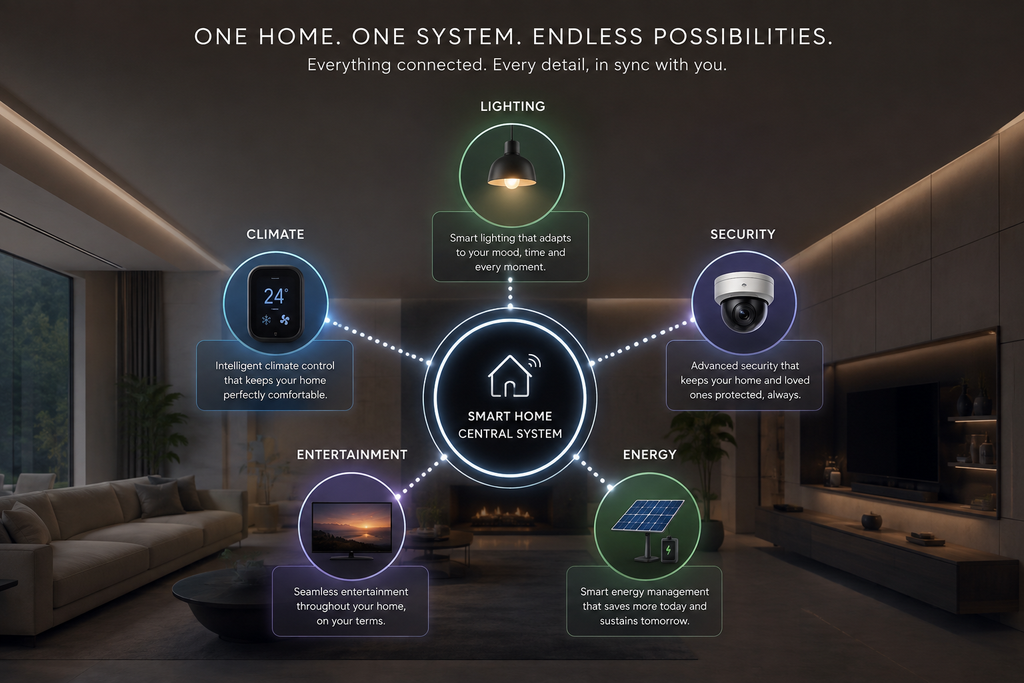
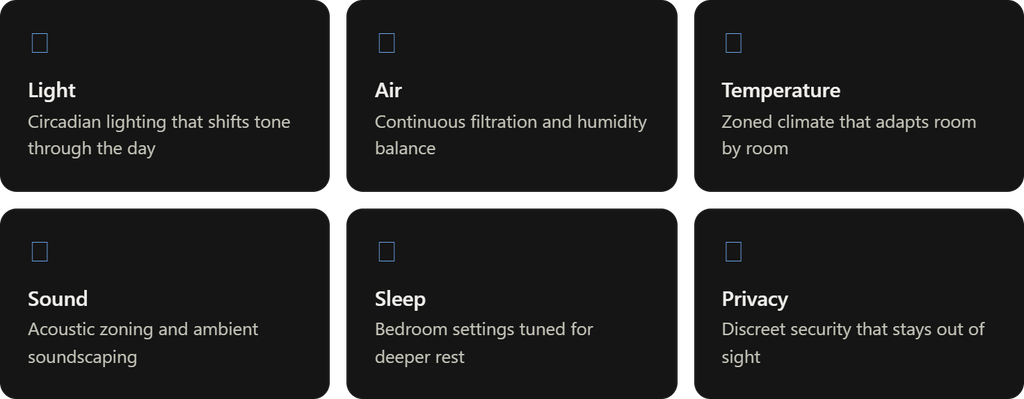
The most useful smart villa features are often the ones that quietly improve everyday routines. Simple things such as smart lighting can create different settings for working, entertaining, relaxing, or sleeping. Circadian-aware systems can also adjust light intensity and colour through the day. Research has shown that artificial light at night can affect sleep and circadian rhythms, making considered lighting especially relevant to a wellness-focused home. Climate control and good air-quality systems allow homeowners to regulate temperatures and ventilation according to their preferences. Air-purification systems help manage the indoor air quality. Another feature of Voice-controlled automation makes your everyday interactions more intuitive.
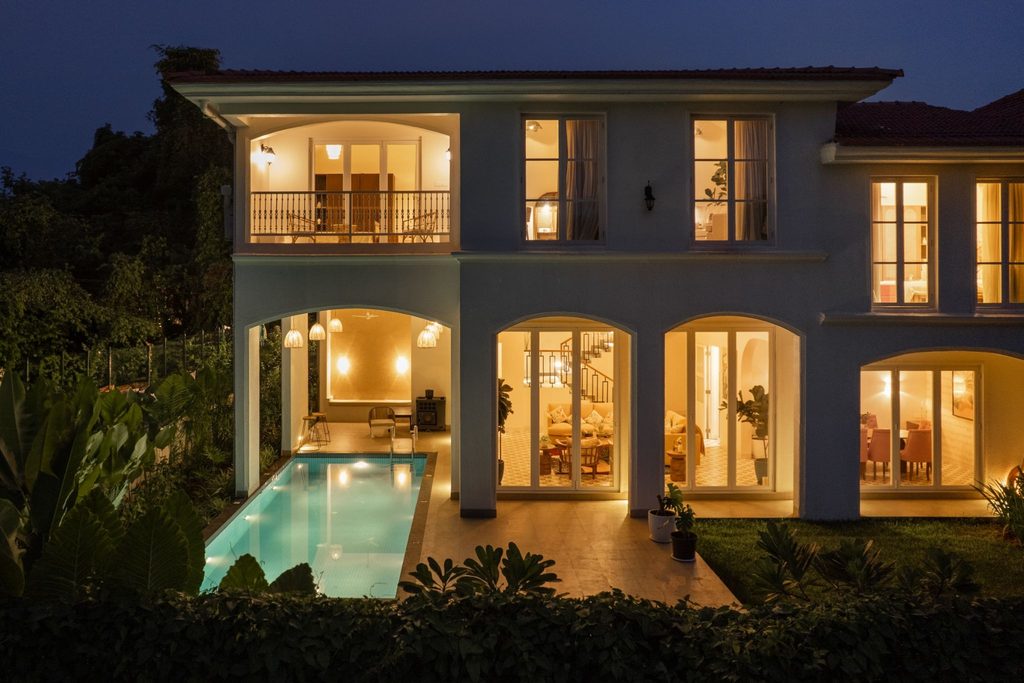
In an Indian study of more than 1,200 smart-home users, 92% said voice control made setting up and using a smart home more convenient.
Then there are smart security and access systems, integrated entertainment, automated shades, and overall energy monitoring. All of these are useful features, and together they form the symphony for a perfect home.
From Smart Features to Personalised Routines
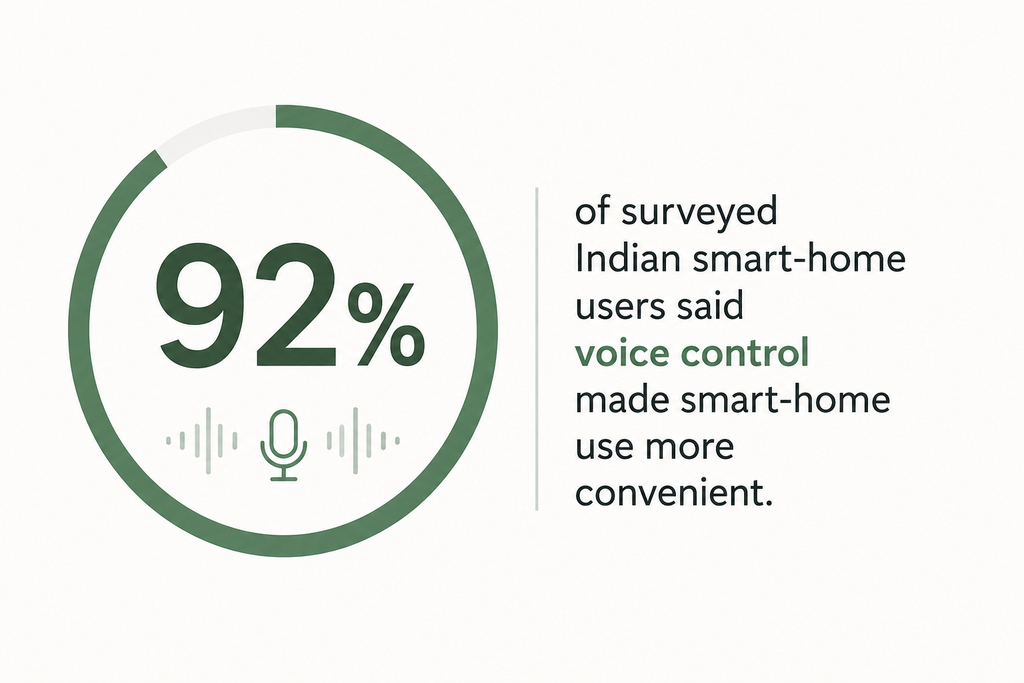
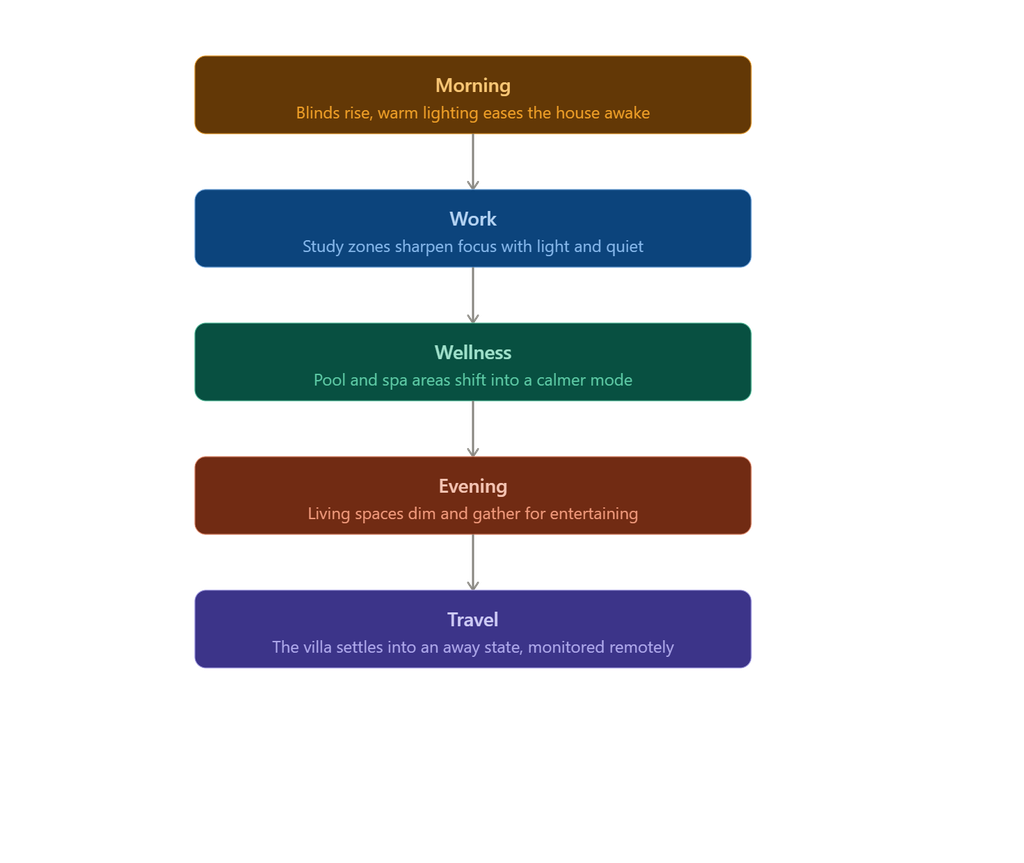
The value of home automation is clear when technology blends seamlessly into the rhythm of everyday life. A morning routine could mean lights automatically dimming and the shades opening to birdsong. The temperature adjusts to the land it’s built on, and a playlist is already in place for every gathering and occasion. For those working from home, it can combine all of the above to help minimize distractions during work.
And all of this can perform even in your absence; when leaving for a holiday, travel, or family gathering, the home can understand and reduce unnecessary stress and energy consumption while maintaining security and enabling remote monitoring. This is exactly where tech-enabled homes differ from gadget-filled homes. The aim is not to control more; it is to have a seamless system with one system for all.
Comfort, Wellness and the Invisible Benefits of Technology
Technology can help influence the less visible aspects of how a home should feel. Lighting is a great example; many studies have shown that light and sleep are deeply connected, and nighttime artificial light could be causing more harm than is visible. Sleep disturbance can influence your natural circadian rhythms.
Temperature, sound and air temperature matter too. A home that lets the resident control and regulate all of this makes it easier to create spaces suitable for concentration, rest and socialising. The result is not just built-in technology but a home that responds to you, the weather and the land it sits on.
Why Future-Ready Infrastructure Matters
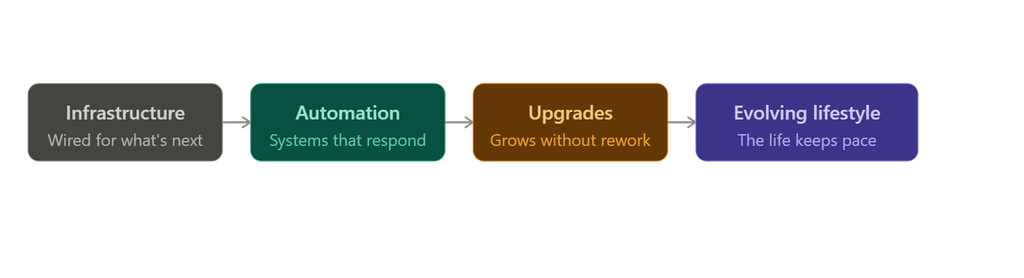
Smart-home technology is evolving day by day; what is advanced today could be the bare minimum tomorrow, which makes the underlying infrastructure as important as the tech itself. For homeowners, this flexibility is valuable: smart wiring, adaptable automation systems, and integrated design can make future upgrades simple without rethinking the architecture.
This is especially relevant for luxury villas where technology should complement the architecture and design and not compete with it. The best systems are often the invisible ones, technology that works quietly in the background while the home continues to be yours. At The Chapter, customisation can extend beyond finishes and furnishings. A thoughtfully designed home can give residents the flexibility to configure technology around their own routines, preferences and priorities.
The Future of Personalised Living in India
India’s smart-home market is shifting from individual connected devices to a more integrated system. Market research shows continued growth across areas including security, lighting, climate control and energy management. Consumer research highlights ease of use and the increasing need to adopt these technologies.
The next step is less about asking if your home is smart, but if it’s responsive. AI-assisted automation could help make homes increasingly predictive by learning preferred temperatures, lighting patterns, and usage habits. Touchless controls, remote monitoring, and more intelligent energy management could further reduce the effort involved in running a home.
For HNIs, UHNIs, and luxury homeowners, this represents a broader shift. Ownership is no longer only about acquiring the space; it is also about creating an environment that supports the life you wish to have.
Personalisation Is the Next Layer of Luxury
Technology in luxury homes can be complicated and futuristic, but to make your everyday day feel seamless and comfortable. At The Chapter, technology can become part of the larger idea of personalisation: a home that gives its homeowners the flexibility to shape their environment around their routines, from the time you wake up to every hour you spend in the home.
A smart home is not about having the best technology, but rather about technology that works quietly to make your home feel more like yours.