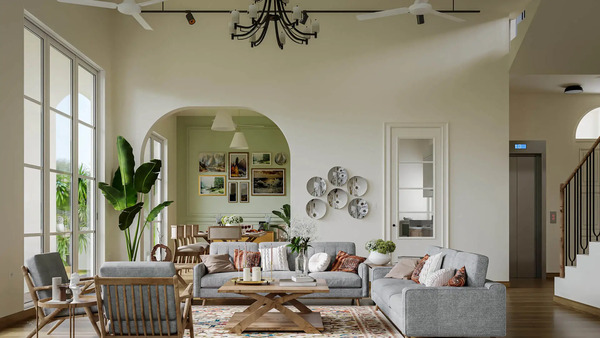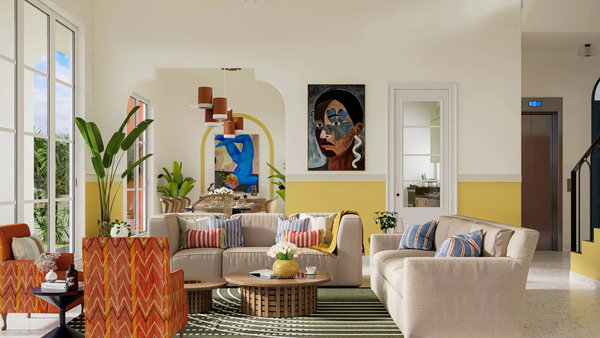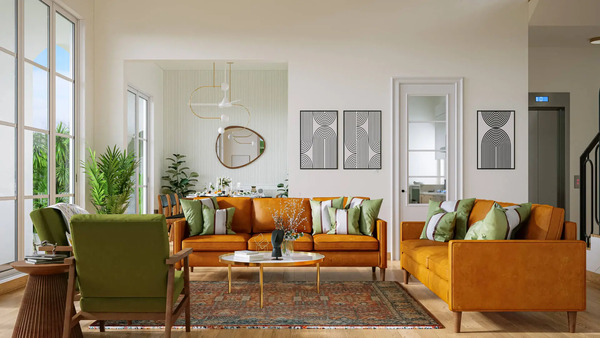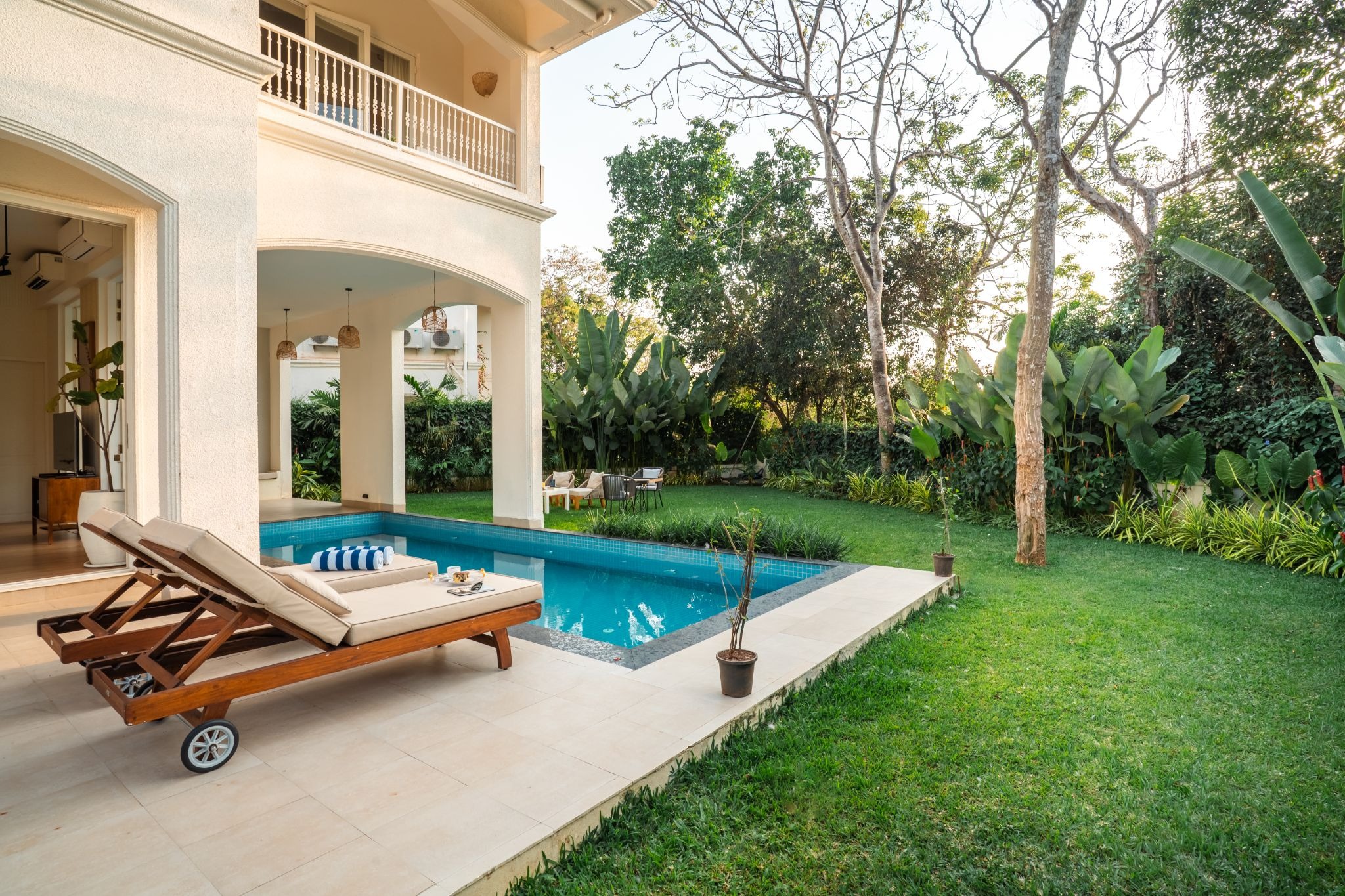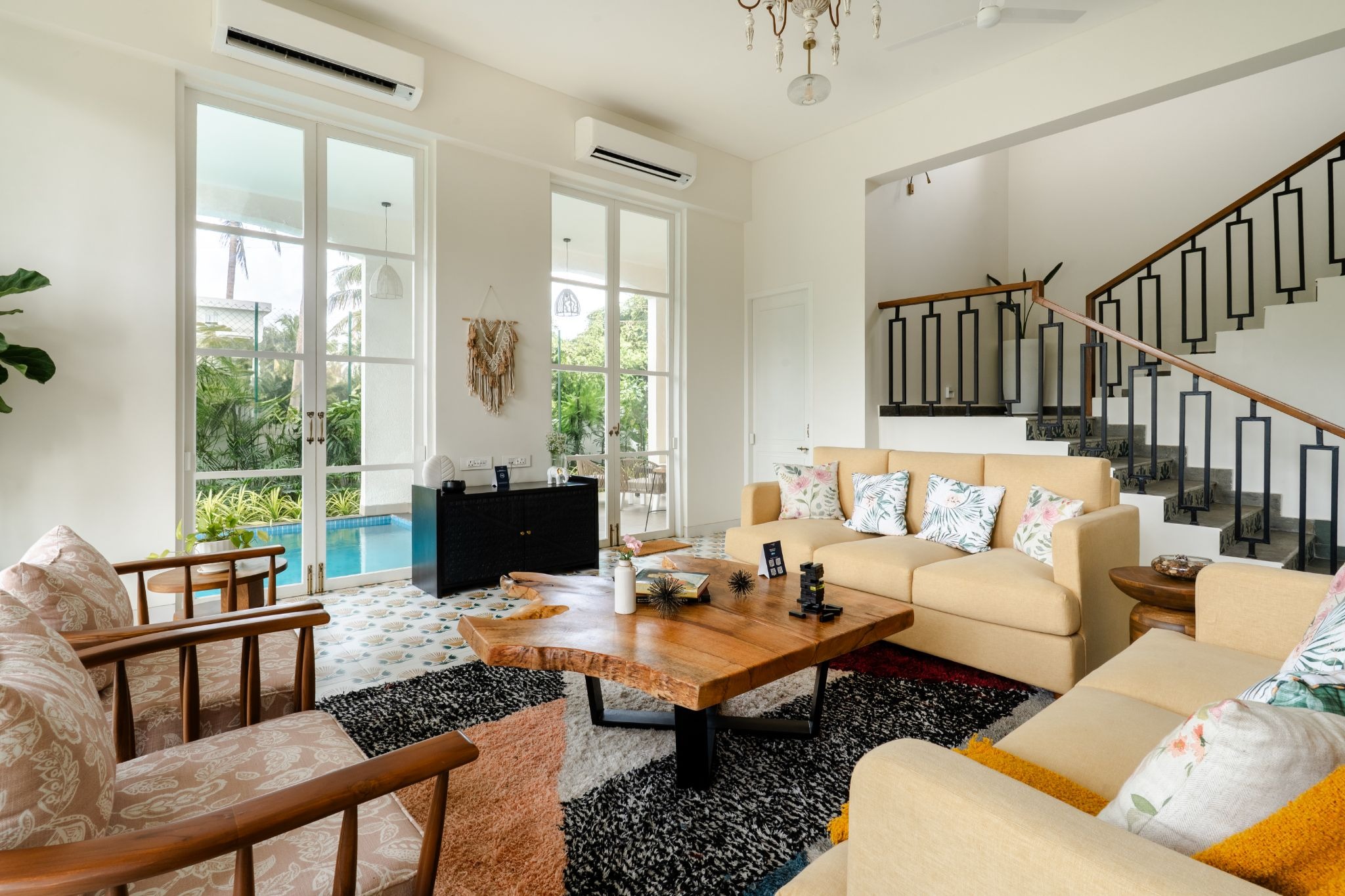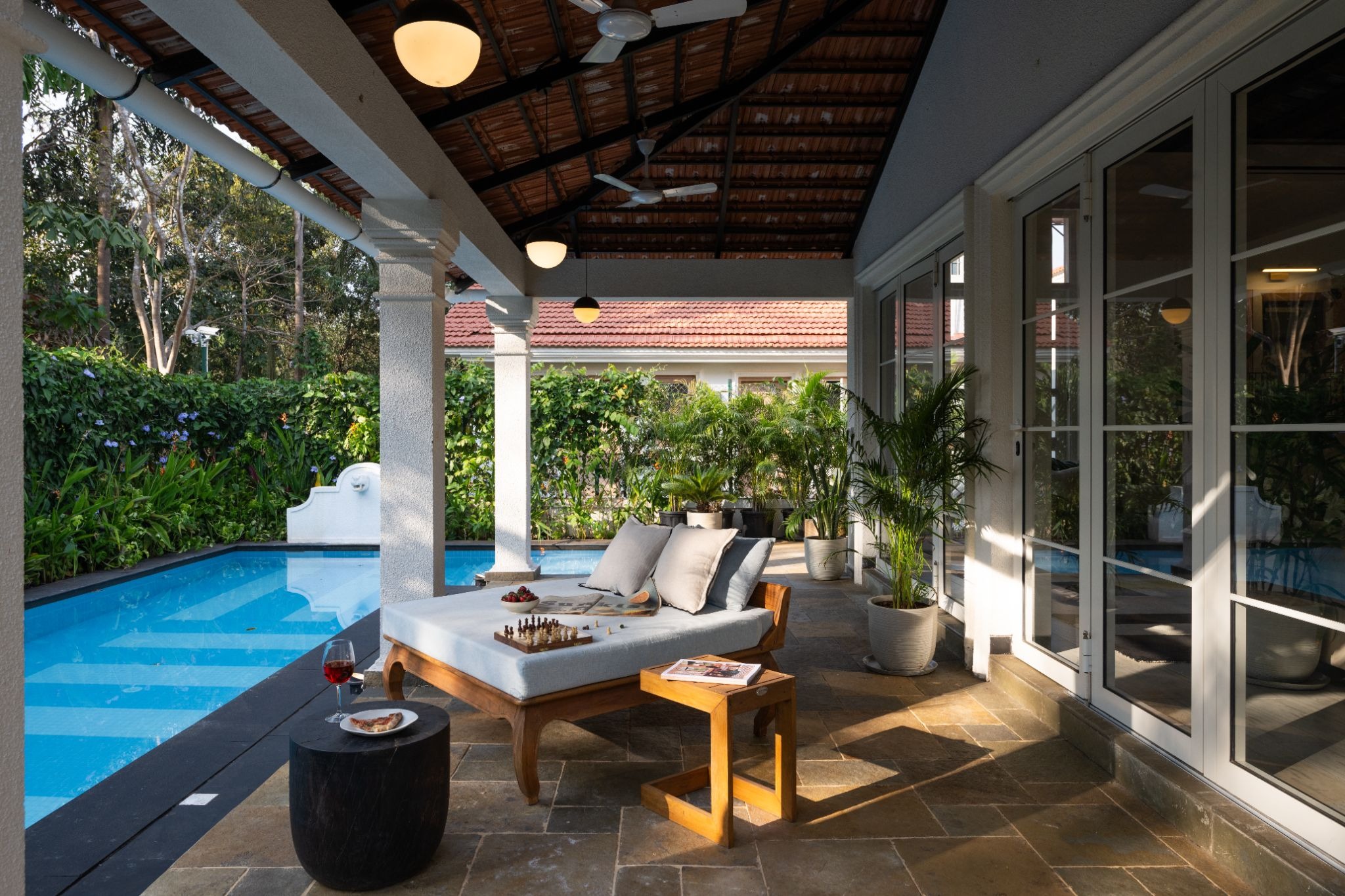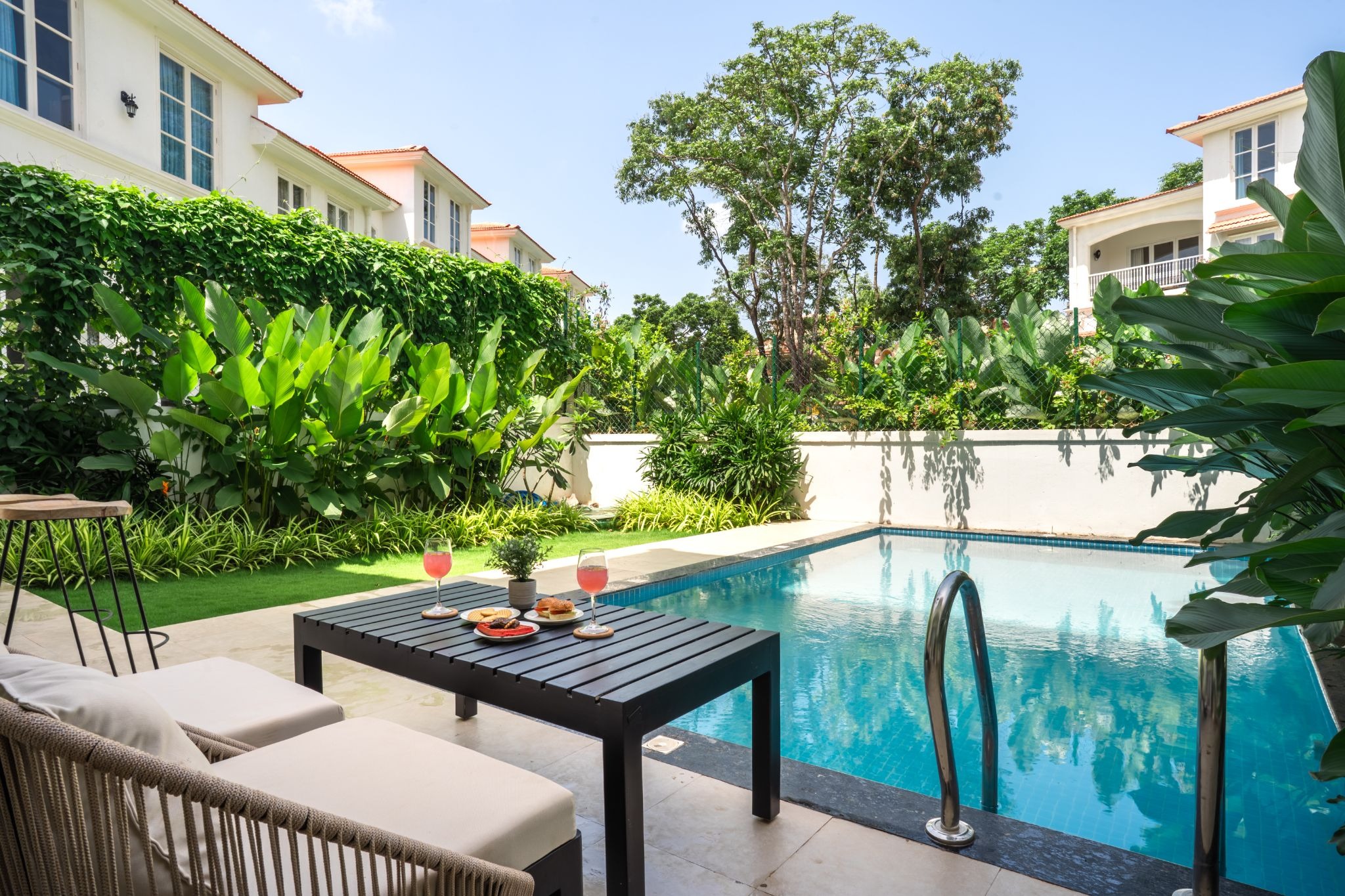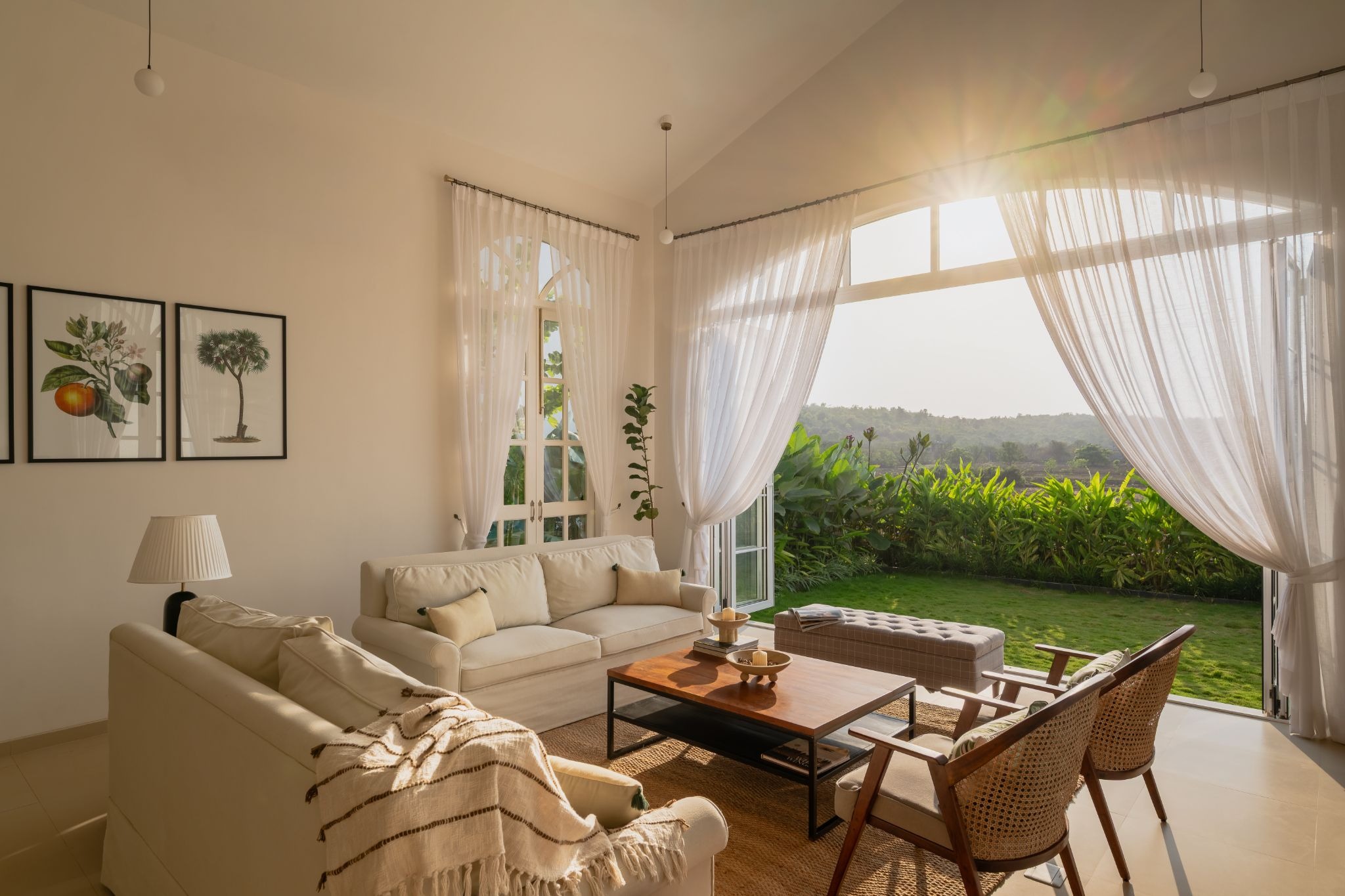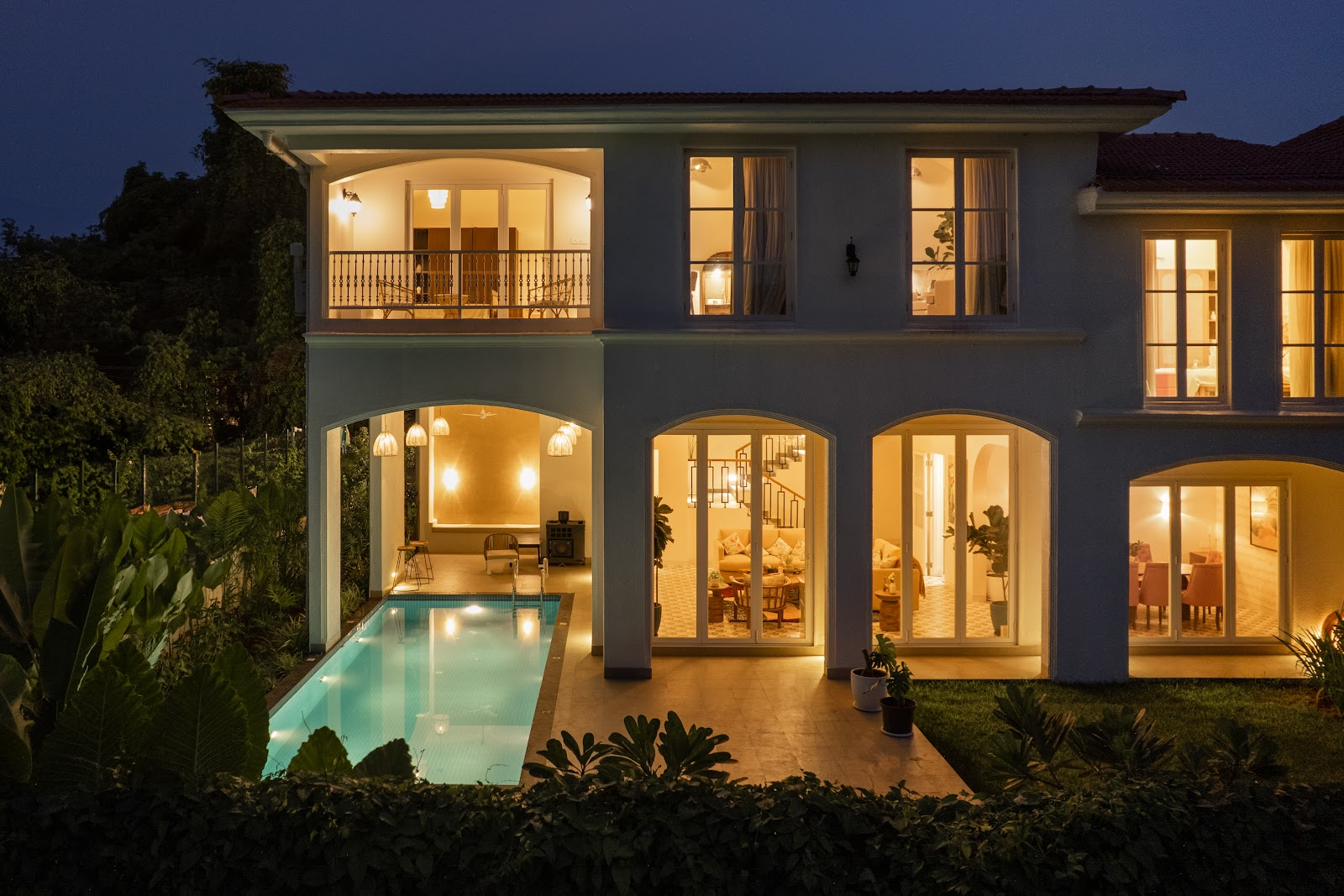
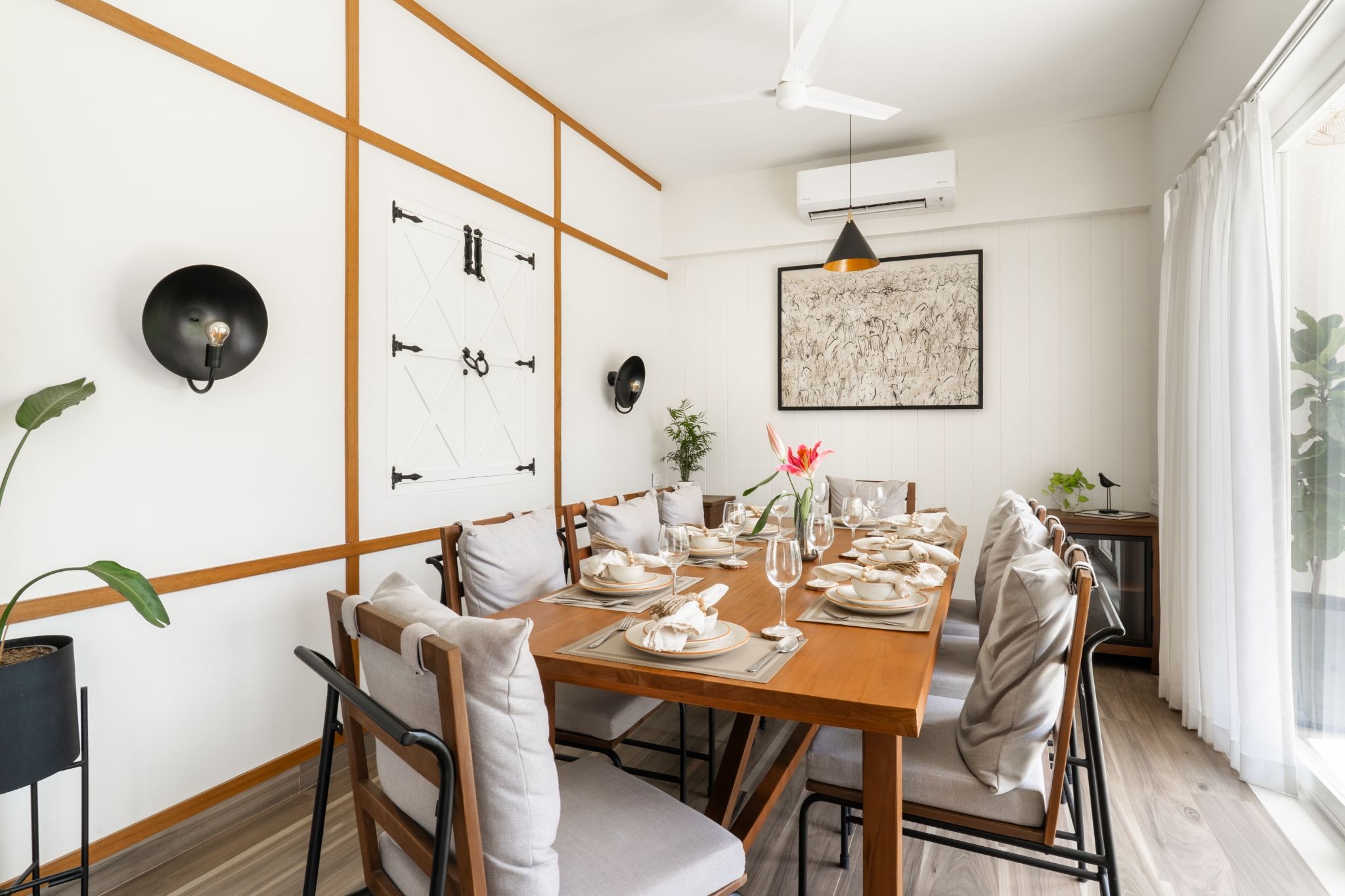
From effortless ownership to complete independence, discover how different villa formats shape the way you live, not just where you live.
For the longest time, buying a villa in India came down to two major questions: location and plot size. However, there is now a change being observed: for most second-home buyers in Goa and Alibaug, the real question is structural — do you want a managed lifestyle or an independent one?
This is the quiet shift being observed behind the gated community villas vs standalone villas. It isn’t about which is better than the rest. It’s about the kind of ownership that fits the way you actually want to live.
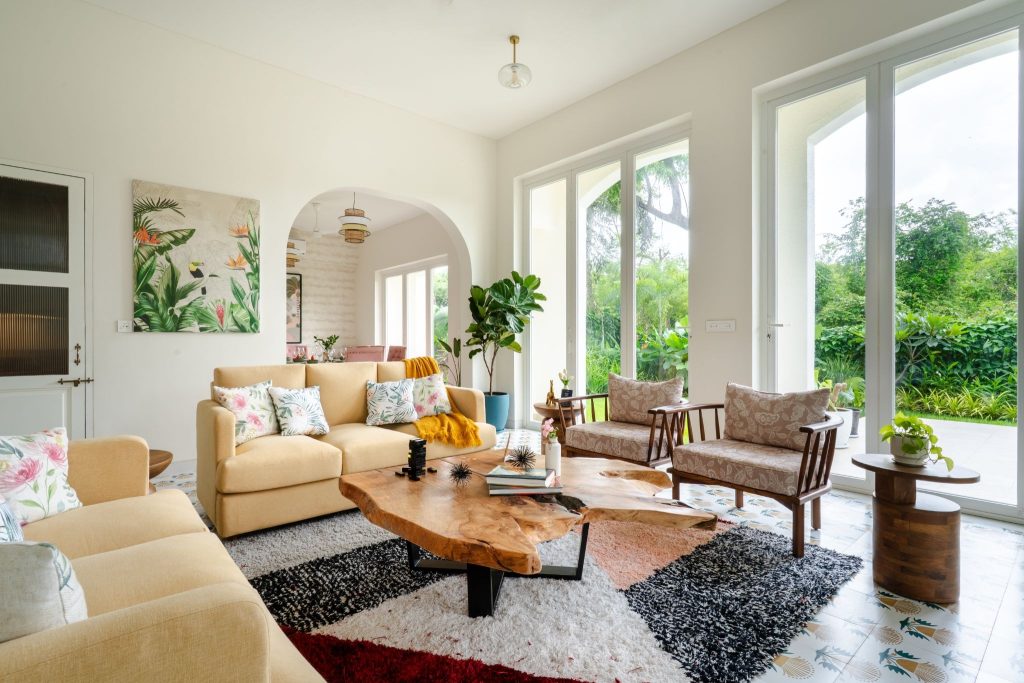
The Real difference isn’t the Villa: It’s the Ecosystem around it.
In a gated community, your villa exists as part of a complete ecosystem. Shared roads, common amenities, and a managing body create a defined set of rules everyone agrees to live by. A standalone villa, on the other hand, exists on its own terms; no shared walls, no collective decision-making, no one else’s preferences to factor in.
This is the line that separates a gated community home from an independent villa. One offers structure, the other offers autonomy. Neither is a compromise or a step back; both are simply starting points for what a second home is meant to do for you.
For homeowners comparing a standalone villa vs a gated community in India, this is usually the first realisation. The decision was never much about bricks and mortar, but rather about how much of your daily life you want managed for you and how much of it you want to manage yourself.
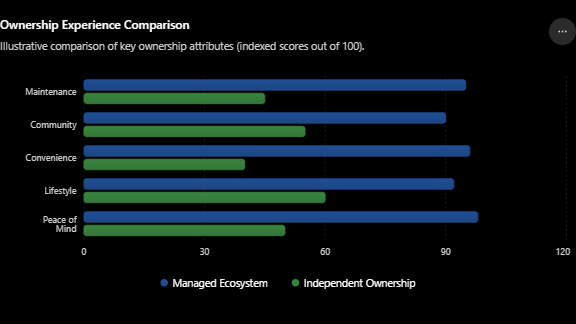
Convenience is the New Luxury
There is a reason managed villa communities have grown steadily, and have become more popular among HNI second-home buyers. Today’s luxury isn’t always about more; it’s about having less to manage. A villa that runs smoothly without you having to oversee staff, repairs, or security checks has its own advantages, especially for owners who use the homes only for a few weekends in a month.
Security in gated communities tends to be layered by the design of the homes. Controlled access points, common surveillance cameras, and a presence that doesn’t depend on the homeowner being there. Whereas standalone villas, in contrast, place that responsibility solely on the owner. It’s not a weaker form of security; it’s a self-directed one.
And the same logic applies to your social life while living in these homes. Gated developments naturally help create a sense of privacy vs community living: shared clubhouse, landscaped paths, built-in amenities for families who want connection without giving up their personal space. Standalone villas offer something else: absolute and complete solitude that doesn’t have to be negotiated with anyone else.
70% of second-home demand is concentrated in professionally planned residential communities priced below ₹2 crore, reflecting buyers’ preference for managed living environments.
Source: Savills India – Increasing Penchant for Second Homes.
What is the Actual Cost of Ownership: Money & Time
Cost comparisons rarely give away the full story. Gated community villas typically carry a higher upfront cost along with the recurring maintenance charges, but these charges buy predictability. Landscaping, security, common repairs, and amenities upkeep are accounted for year on year without changes.
Standalone villas often start at a lower price point, but the villa maintenance responsibility lies entirely with the homeowner. Staffing, repairs, security, and even basic maintenance of the land are all on the homeowner and are variable. Some years, they are minor; others, it isn’t. And this is the real distinction for anyone weighing the pros and cons of buying an independent villa against community living. It isn’t cost, no cost; it’s the predictable cost versus flexible cost. One buyer’s order is another’s freedom.
From a pure investment standpoint, the picture splits again. Gated developments tend to attract steadier resale demand due to their amenities and managed living model. Standalone villas, particularly in prime, land-scarce spaces of Alibaug and Goa. These locations often hold their place through land value alone; slower to transact, but harder to replicate.
| Factor | 🏡 Gated Community | 🏠 Standalone Home |
| Upfront Cost | Lower relative entry cost | Higher capital outlay |
| Annual Maintenance | Shared, predictable costs | Owner-managed, variable costs |
| Resale Liquidity | Stronger demand & easier resale | Depends on the individual property |
What’s The Right Choice?
There is no right option here; it’s more like a personal one. Based on what you want it to be used for.
A gated community home suits you if you:
- Want hands-off, low-involvement ownership.
- Value built-in security and shared amenities
- Use the home occasionally, as a second home.
A standalone villa suits you if you:
- Want full control over design and daily decisions.
- Are comfortable managing staff, upkeep, and security independently
- See the home as a long-term, land-led asset.
This is only a mirror for you to see while making your decision to buy a villa, and not the entire checklist. The overall format depends largely on the buyer and less on the market.
| 🏡 Managed Ecosystem | 🏠 Independent Ownership | |
| Initial Investment | ✓ Lower relative entry cost | ● Higher capital outlay |
| Maintenance | ✓ Predictable & professionally managed | ● Owner-managed & variable |
| Infrastructure | ✓ Shared & maintained | ● Individual responsibility |
| Convenience | ★ High | ★ Moderate |
| Resale Potential | ✓ Broader buyer appeal | ● Property-specific |
Your Choice Will Always Be The Right One
In any luxury villa comparison, Indian homeowners rarely conclude with a gated community or standalone villas. It’s more about how ownership styles vary as much as buyers themselves. And the best decision is the one that matches not just your budget but your bandwidth.
A villa in either setting is an investment for life. And the right one does not depend on the category but on the kind of lifestyle you wish to lead.