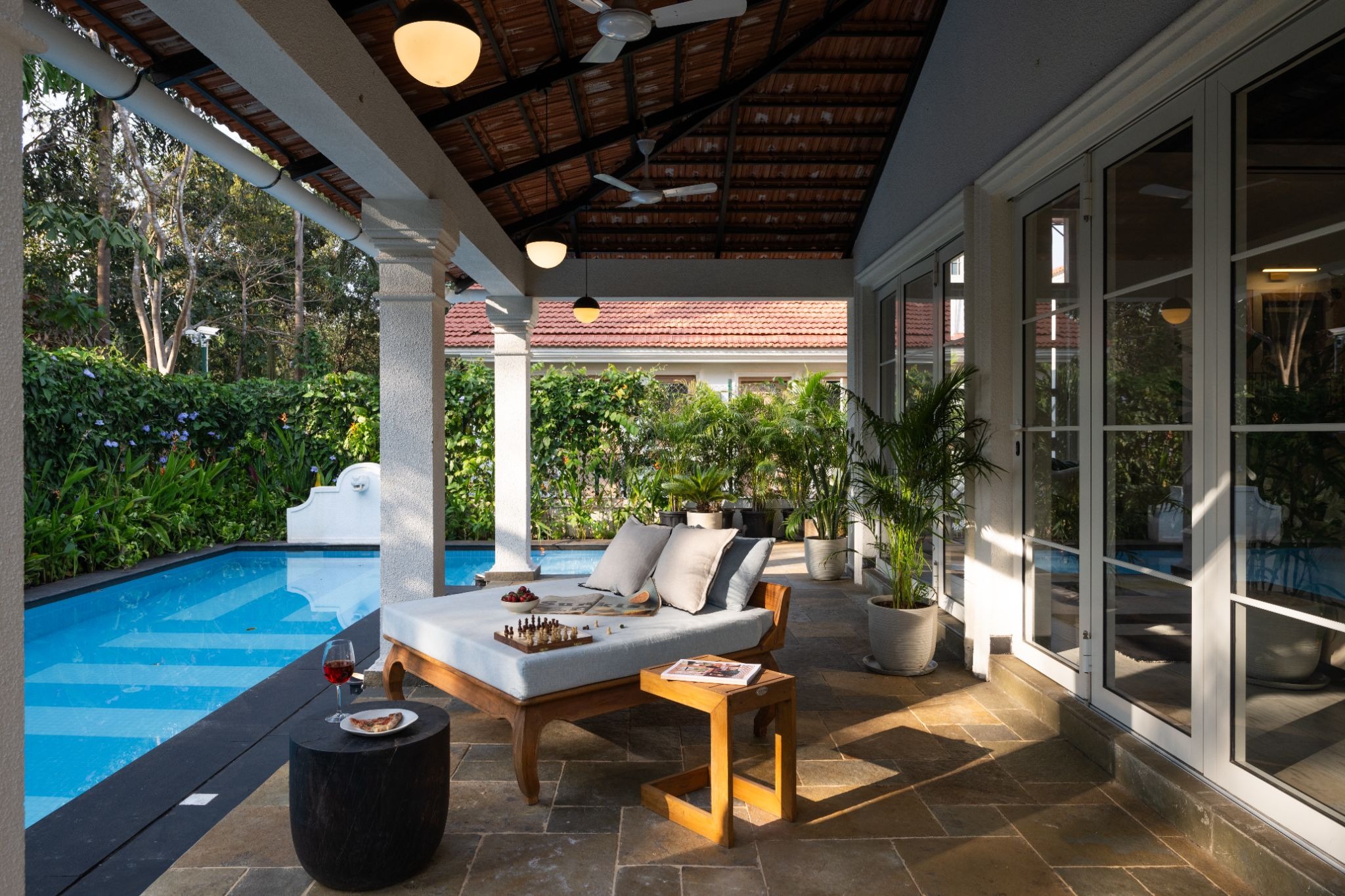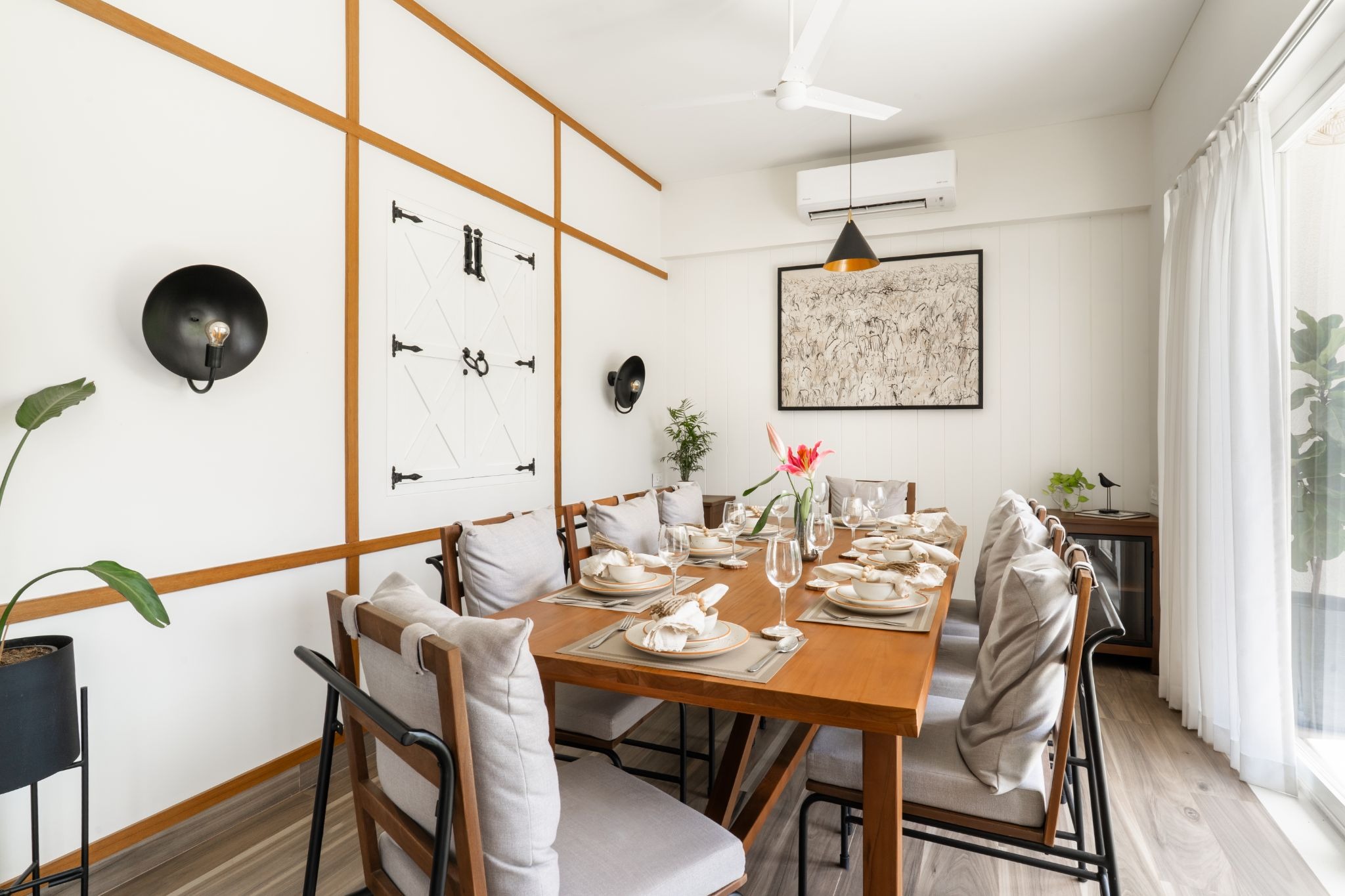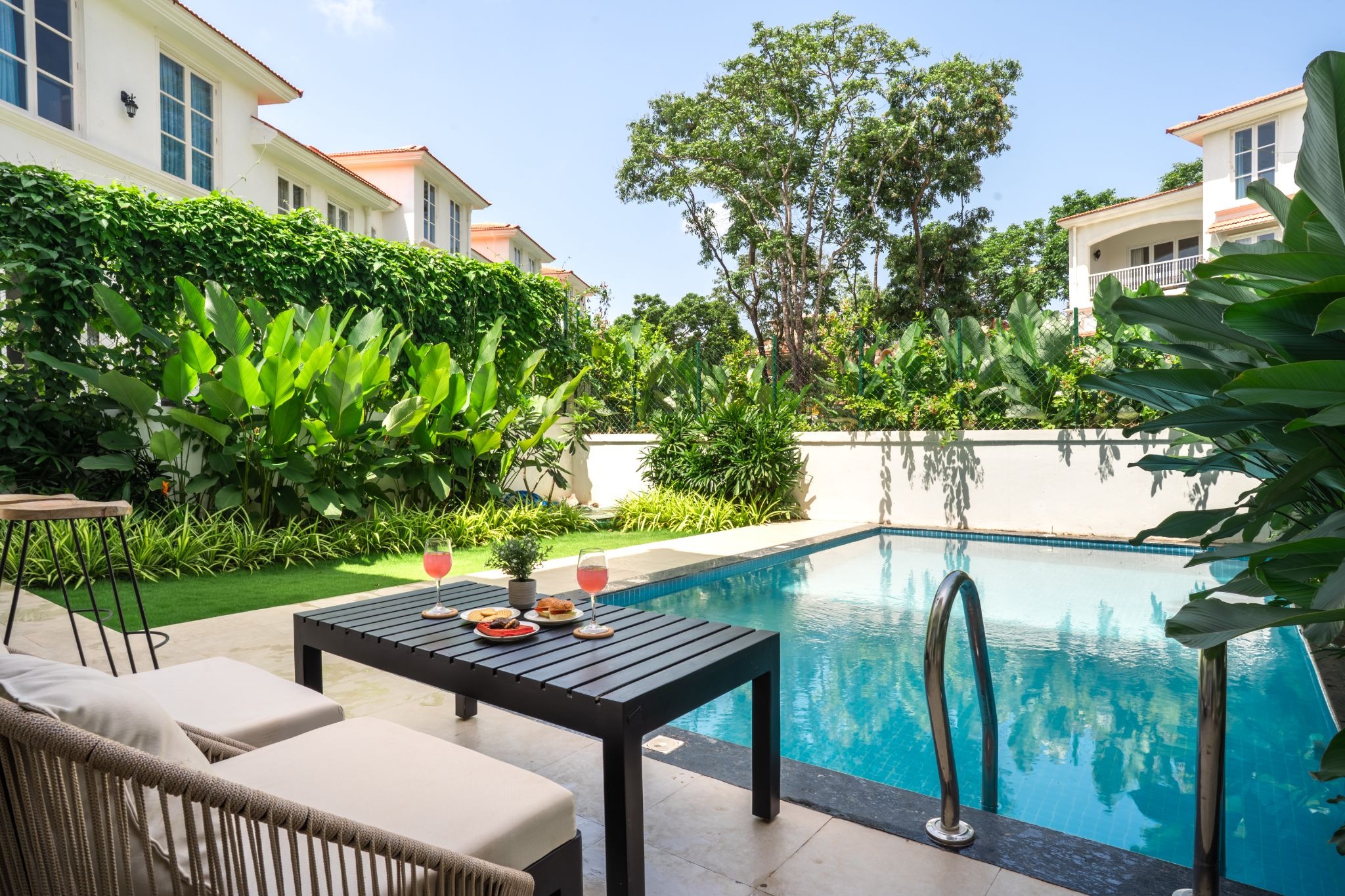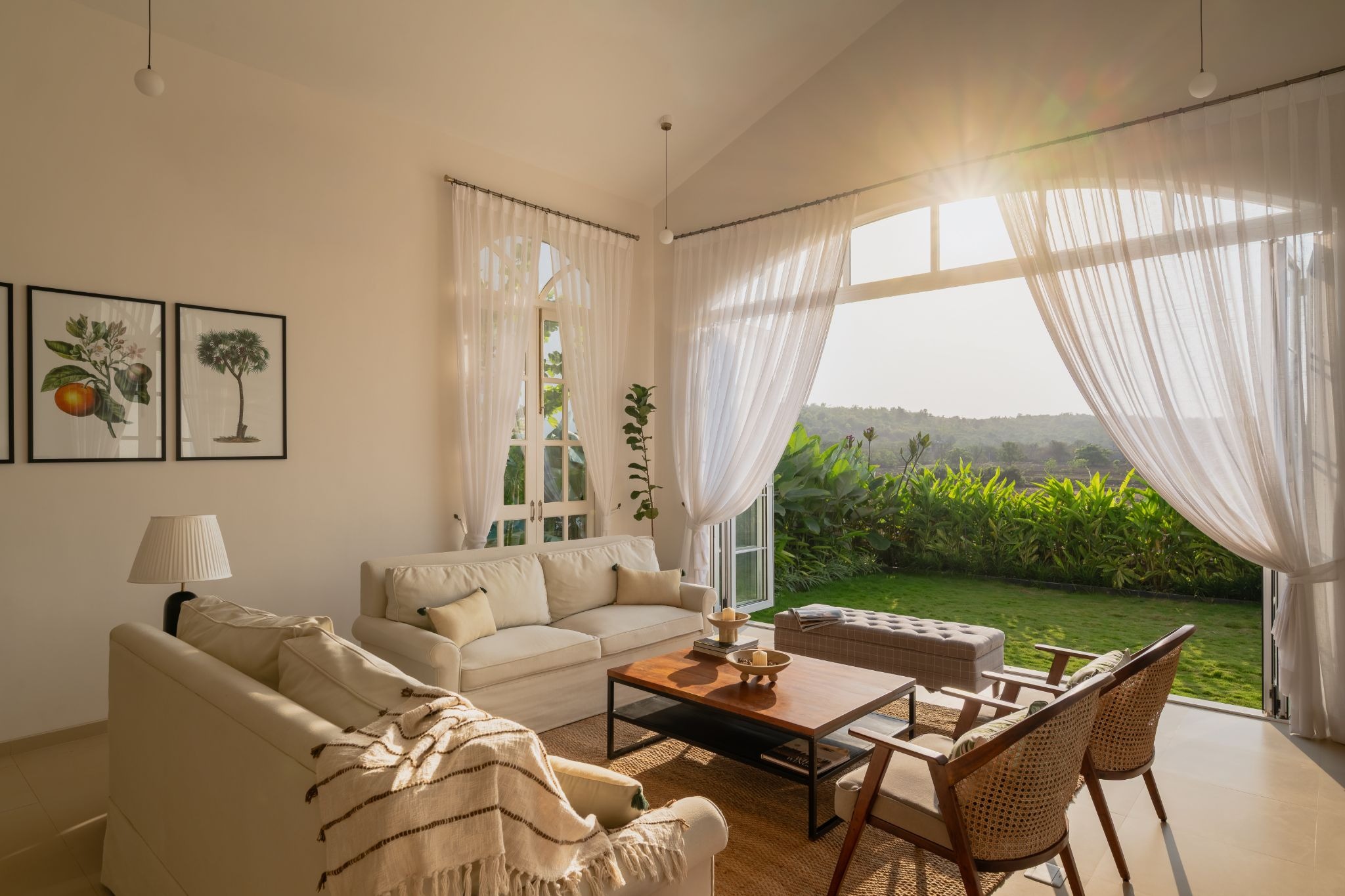
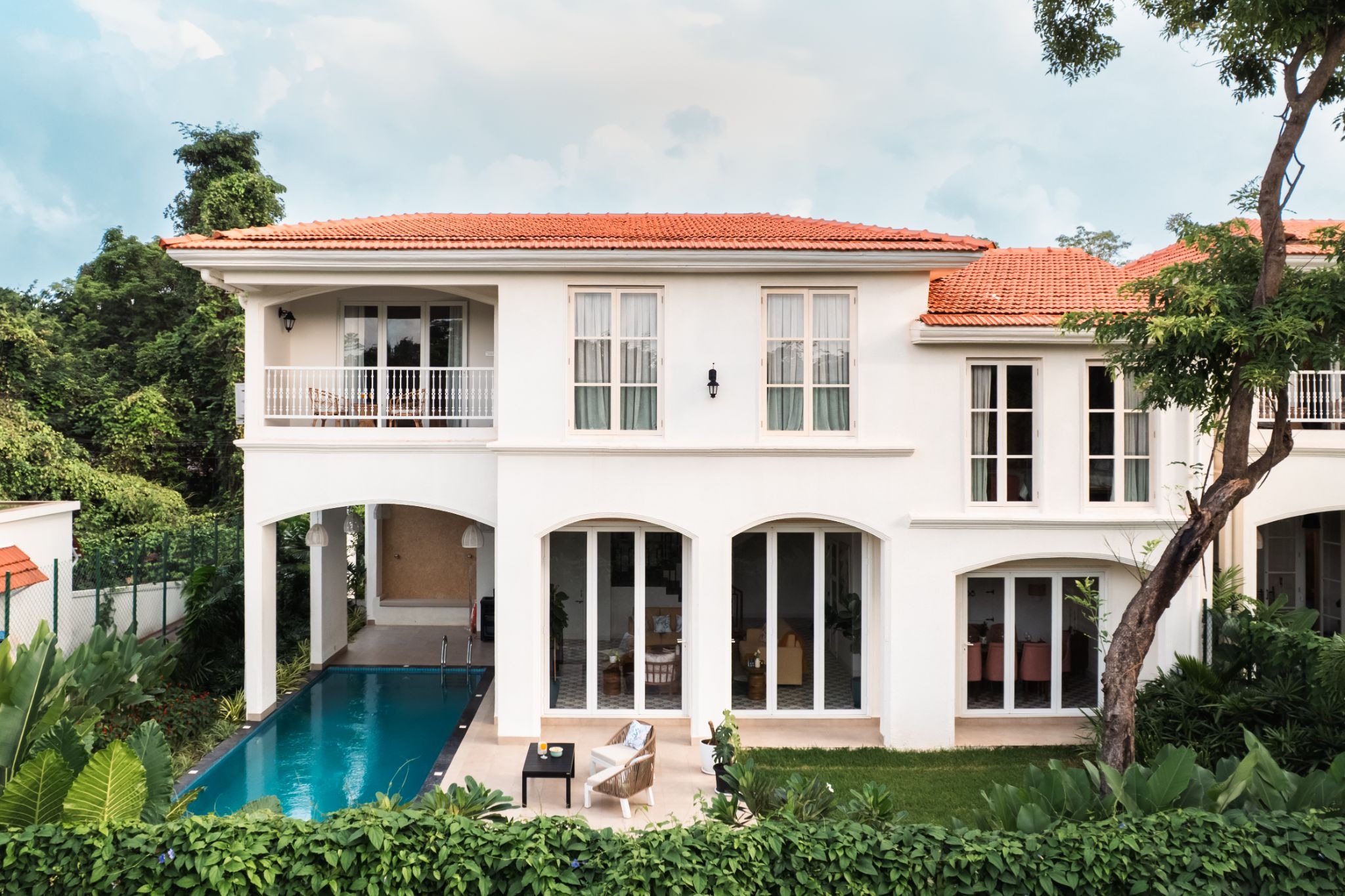
A practical guide to evaluating a villa developer, from legal due diligence and construction quality to transparent pricing and long-term ownership.
Buying a home is a significant investment, especially if the location is such as Alibaug or Goa. Beyond the location, architecture, and amenities, there is another aspect that deserves equal, if not more, attention: the developer behind the property.
When you purchase a home that is still under construction, you are placing a considerable amount of trust in the developer’s ability to deliver exactly what has been promised. From construction quality and legal documents to timelines and after-sales support, every aspect of the experience depends on the decisions made long before you receive the keys.
For first-time second-home buyers, NRIs and investors, knowing how to choose the right home developer is therefore an essential part of the buying process. This guide helps bring together ten practical checks, red flags and a printable villa checklist to help you evaluate and navigate your options with greater clarity before making a commitment.
Why Choosing the Right Villa Developer Matters More Than the Villa Itself
A well-designed villa may catch your attention, but its long-term value depends on much more than its appearance. The developer is responsible for translating the original vision into a completed home, with the right approvals, construction standards, and agreed specifications. This becomes particularly important when buying an under-construction property. Delayed possession, discrepancies between the brochure and the completed home, unclear land titles, or inadequate maintenance arrangements can affect both the ownership experience and the property’s long-term appeal.
In leisure destinations such as Goa and Alibaug, buyers may also be evaluating smaller developers or projects with limited delivery histories; this makes independent verification especially important.
Whether you are exploring luxury villas in Goa for personal use or considering a second home as a long-term investment, the right developer should offer more than an attractive property. They should demonstrate transparency, accountability, and a clear approach to delivering the home they promise.
The 10-Point Checklist for Choosing a Trusted Villa Developer
Before shortlisting a property, use these ten checks to assess the developer, understand the documentation, and identify potential concerns.
1. RERA Registration and Project Disclosures
The first step is to establish whether the project is registered with the applicable Real Estate Regulatory Authority. Under RERA, registration is generally required for projects exceeding the prescribed land-area or apartment thresholds, subject to statutory exemptions and applicable rules.
For Goa, visit the Goa RERA portal. For Alibaug, consult MahaRERA.
Search using the project name or registration number and compare the details with those provided by the developer. Review the registered promoter’s details, declared completion date, approved plans, project disclosures, progress updates, and any available complaint or regulatory information.
If you are specifically looking at RERA-registered villas in Goa, verify the registration independently rather than relying solely on a brochure or sales representative.
Registration is an important starting point, but it is not a guarantee of timely delivery or construction quality. Treat it as one part of a broader assessment.
2. Clear Land Title and Approvals
A property’s location and design matter little if the underlying land documentation is unclear. Before committing to a purchase, establish whether the developer has the legal rights and necessary permissions to develop and sell the property.
Ask for the relevant title documents, approved layout and building plans, land-use or conversion permissions where applicable, and other approvals required for the specific project. For coastal properties, additional checks may be necessary under applicable Coastal Regulation Zone (CRZ) rules.
Do not assume that a property is fully compliant simply because construction is underway or a sales office is operating.
Engage an independent property lawyer to examine the title chain, encumbrances, permissions and agreement for sale. A professional review can help identify issues that may not be apparent from the documents presented during a sales meeting.
The exact requirements vary by location and project. Independent legal verification should therefore form part of your due
diligence, rather than being treated as a final formality.
3. Track Record of Delivered Projects
A developer’s previous work offers useful insight into how they approach planning, execution, and delivery. Before choosing a villa, ask how many projects the developer has completed and whether the delivered homes reflect the original specifications.
Look beyond the number of projects. Ask about possession timelines, construction quality, communication during the building process, and the experience homeowners have had since moving in.
Whenever possible, visit a completed development. Observe the condition of the homes, common areas, landscaping, and infrastructure. Speak to existing homeowners about their experience, including any delays, defects, or outstanding commitments.
The objective is to understand how consistently a developer delivers on its promises, rather than judging its credibility by marketing material alone.
4. Financial Strength and Leadership
A villa development requires sustained financial planning across land acquisition, construction, procurement, approvals and project delivery. Financial uncertainty can affect progress, even when a project initially appears promising.
Find out which legal entity is developing the project, who leads the organisation, and what experience its leadership team brings to real estate. Ask about the developer’s completed projects and the financial arrangements supporting the current development.
Where relevant information is publicly available, review company filings, corporate records and credible reports. Understand whether the project has identifiable financial backing and whether any significant funding or execution risks have been disclosed.
A long company history or a recognisable name alone does not establish financial stability. Equally, a relatively young brand is not automatically unreliable.
The aim is to assess whether the developer has the experience, organisational capability and financial planning necessary to carry the project through to completion.
5. Construction Quality and Specifications
A villa’s quality is determined by what lies beneath its finishes as much as by what is immediately visible. Materials, workmanship, structural design, waterproofing and service installations all contribute to how well a home performs over time.
This is especially relevant in coastal destinations, where humidity, salt exposure and monsoon rainfall can place additional demands on buildings.
Ask for a detailed specification sheet covering structural and finishing materials, flooring, sanitaryware, electrical fittings, doors, windows, waterproofing, and other relevant components. Clarify the brands or equivalent standards being offered and ensure the agreed specifications form part of the contractual documentation.
If possible, inspect a completed home or an accessible construction site. Look at finishing details, drainage, ventilation, and the general standard of execution. Ask who supervises quality and how defects are addressed before possession.
A useful rule: if a feature is important to your decision, have it documented rather than relying on a verbal assurance.
6. Design Process and Customisation
A home should work for the way you intend to live in it. For second-home buyers, this may mean flexible spaces for visiting family, practical storage, comfortable outdoor areas or interiors that are easy to maintain when the property is unoccupied.
Ask the developer how the design process works. Can you choose interior styles, finishes or material palettes? Are layout changes possible? At what stage must selections be finalised, and which decisions involve additional costs?
If the villa is sold furnished, request clarity on what the furnishing package includes. Understand whether furniture, lighting, appliances, soft furnishings and accessories are part of the agreed offering.
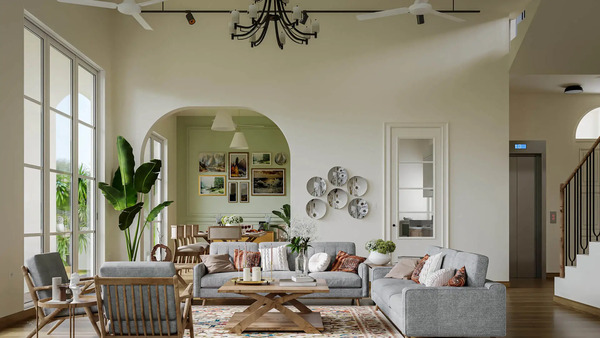
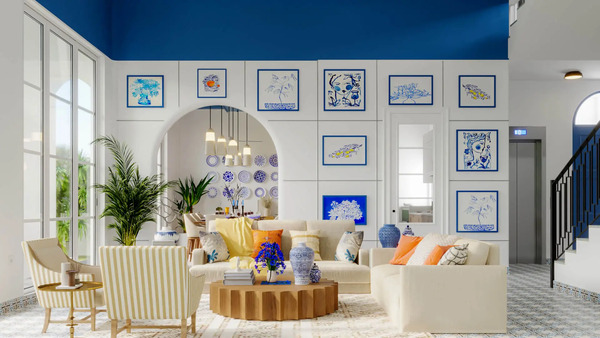
A structured design process can make these decisions easier. Visual previews, curated design themes and clear material selections allow buyers to understand how their home may look before choices are finalised.
The important consideration is not the number of customisation options available, but whether the process, limitations and final deliverables are explained clearly.
7. Transparent Pricing and Payment Plan
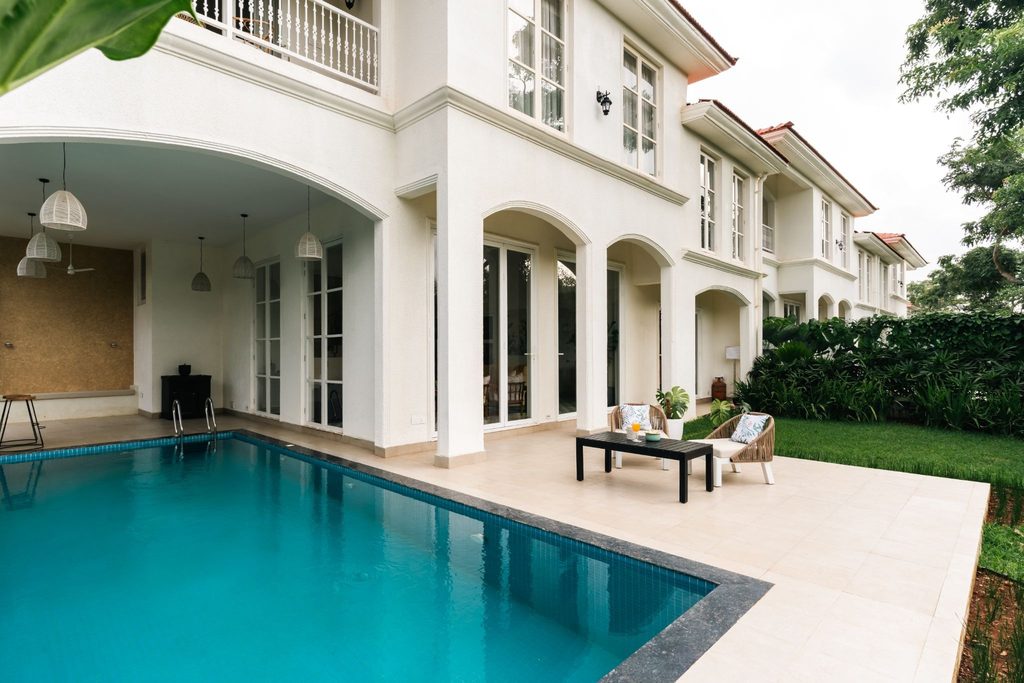
The advertised price is only one part of the total cost of ownership. Before booking, request a written cost sheet that sets out the base price and all applicable additional charges.
Depending on the property and transaction, these may include taxes, stamp duty, registration charges, furnishing, parking, maintenance deposits, club or amenity charges and other contractual fees. Ask which costs are included, which are excluded, and which may vary.
The payment schedule deserves equal attention. Understand when each instalment becomes due and whether payments are linked to defined construction milestones. A construction-linked plan can help align payments with project progress, subject to the applicable agreement and legal requirements.
Be cautious if you are asked to make a substantial upfront payment without clear documentation or if the developer cannot explain the payment schedule.
Compare the complete financial commitment across shortlisted properties. Transparent pricing makes it easier to assess affordability and reduces the likelihood of unexpected expenses later.
8. The Agreement for Sale
The agreement for sale should accurately reflect what has been discussed and promised. Read the draft carefully before making a booking commitment, and have it reviewed by an independent lawyer.
Pay particular attention to the agreed possession date, the process for handling delays, payment milestones, carpet area, specifications, cancellation provisions and the circumstances under which either party may terminate the agreement.
Check whether the agreement clearly identifies the property, the relevant development and the obligations of the developer. Ensure that furnishing, amenities, and other features represented as part of the purchase are documented appropriately.
RERA also provides for a defect liability period of five years from the date of handing over possession, subject to the statutory conditions and applicable provisions. Understand how qualifying defects are to be reported and rectified.
Do not assume that a standard agreement automatically protects every expectation discussed during the sales process. The precise wording matters, and professional legal review can help you understand your rights and obligations before signing.
9. After-Sales Service, Maintenance and Rental Support
A second home needs attention even when you are not there. For owners who live in another city or country, maintenance arrangements can significantly influence the experience of owning a villa.
Ask how security, housekeeping, landscaping, pool maintenance, repairs, and monsoon preparation are managed. Clarify who responds to emergencies, how frequently the property is inspected, and how maintenance expenses are communicated.
For buyers considering gated community villas in Goa, it is also worth understanding how shared amenities, access roads, and common areas are maintained. Request details of the maintenance structure, applicable charges, and the responsibilities of the homeowner versus the property manager.
If rental income is part of your plan, ask whether the developer or its partners offer rental assistance, guest management and property-management services. Understand the fees, responsibilities and terms before assuming that rental income will cover ownership costs.
Good after-sales support should be clearly defined, with realistic expectations about services, costs and accountability.
10. Reputation, Reviews and Press Coverage
A developer’s reputation is shaped by the experiences of buyers, the quality of delivered projects and the way concerns are handled.
Begin with independent reviews and credible media coverage. Look for recurring patterns rather than relying on a single positive or negative comment. Repeated complaints about delayed possession, unresolved defects, or poor communication deserve further investigation.
Check publicly available regulatory information, including relevant RERA complaints, orders and project-status updates. Where possible, speak directly to existing homeowners and ask about their experience after taking possession.
Press coverage can offer useful context, but editorial features and awards should not replace independent verification. Similarly, a strong online presence is not proof of sound construction or reliable delivery.
A trusted villa developer should be willing to answer reasonable questions, provide relevant documentation, and explain how concerns are addressed.
Ultimately, credibility is demonstrated through consistent actions, not just the reputation a brand presents.
Red Flags to Watch Out For
Even an attractive property deserves a closer look if the developer’s responses raise concerns. Watch for these warning signs:
- No verifiable RERA registration: The developer cannot provide a registration number where registration is required.
- Pressure to book immediately: You are urged to pay before reviewing the documents or agreement.
- Requests for undocumented cash payments: The payment trail or transaction terms are unclear.
- Vague specifications: Materials, fittings and promised features are not documented.
- No completed projects to inspect: The developer cannot demonstrate a credible delivery record.
- Missing land or approval documents: Essential paperwork is withheld or explanations remain inconsistent.
- Unclear maintenance costs: Recurring charges and responsibilities are not explained.
- Guaranteed rental returns: Attractive income promises are made without transparent contractual terms and supporting assumptions.
One concern does not automatically establish that a developer is untrustworthy. However, unresolved inconsistencies should be investigated before you proceed.
Quick Villa Developer Checklist: A Printable Table
Use this checklist during property visits and discussions with the developer.
| Check | What to Ask | Documents to See | Tick |
| RERA registration | Is the project registered where required? | Registration details and project disclosures | ☐ |
| Land title and approvals | Is the land legally clear for development? | Title documents, approvals and plans | ☐ |
| Track record | What has the developer delivered? | Completed project details and references | ☐ |
| Financial strength | Who develops and backs the project? | Relevant corporate and financial information | ☐ |
| Construction quality | What materials and fittings are included? | Written specifications and quality details | ☐ |
| Design and customisation | What can I personalise? | Design options and furnishing schedule | ☐ |
| Pricing and payments | What is the complete cost? | Itemised cost sheet and payment schedule | ☐ |
| Agreement for sale | What are the delivery and defect terms? | Draft agreement | ☐ |
| After-sales support | Who manages maintenance and rentals? | Service terms and maintenance schedule | ☐ |
| Reputation | What do existing owners say? | Independent reviews and available regulatory records | ☐ |
Keep copies of the documents you receive and record any commitments that need clarification. A completed checklist does not replace legal or technical due diligence, but it helps ensure that important questions are not overlooked.
Goa vs Alibaug: Anything Different to Check?
The fundamental checks remain the same, but local regulations and practical considerations differ between destinations.
For projects in Goa, verify applicable registrations through Goa RERA. For Alibaug, check MahaRERA and confirm the approvals required from the relevant local planning and development authorities. Coastal plots in either destination may require additional scrutiny of applicable CRZ restrictions and permissions.
Location also deserves careful consideration. Assess road access, water supply, power reliability, drainage, connectivity, and the availability of essential services. For Goa, consider the airport you are most likely to use and the journey to the property. For Alibaug, evaluate travel time from Mumbai, including the relevant road and ferry connections where applicable.
Explore villas in Sircaim, Goa and villas in Alibaug to understand the different settings available.
The right location is one that suits your intended use, not simply one that looks appealing in a brochure.
How The Chapter Approaches Trust
At The Chapter, the approach to home ownership brings together thoughtful design, fully furnished homes, and an emphasis on the experience beyond the purchase. The brand also offers curated interior design options, allowing homeowners to customise their space to their liking and taste.
For second-home owners, the availability of property management and rental assistance can help simplify the overall ownership process even when the home is not in regular use. And as with any property purchase, buyers should independently verify the relevant RERA registration, documentation, agreement terms, and project details before proceeding.
Frequently Asked Questions
How do I know if a villa developer is trustworthy?
Review the developer’s RERA registration where applicable, land documentation, approvals, completed projects, construction standards and financial disclosures. Visit an existing development and speak to homeowners if possible. Read the agreement carefully and verify important claims independently. A trustworthy developer should be transparent about timelines, costs, specifications and after-sales responsibilities.
How can I check a developer’s RERA registration in Goa?
Visit the official Goa RERA portal and search for the project or promoter using the available search facility. Compare the registration details with the information provided by the developer. Review available project disclosures, completion dates, and regulatory information, and confirm whether registration is required for the particular project.
What documents should I ask a villa developer for before booking?
Request the RERA registration details where applicable, land title documents, relevant approvals, approved plans, a detailed cost sheet, written construction specifications and the draft agreement for sale. Ask for the furnishing schedule and maintenance terms where relevant. Have an independent property lawyer verify the documentation and explain any outstanding permissions or conditions before you commit.
Is it safe to buy an under-construction villa?
Buying an under-construction villa involves risks relating to delivery timelines, construction quality, and approvals. These risks can be assessed through project registration checks, independent title verification, a review of the agreement and the developer’s delivery record. Consider the payment schedule carefully and ensure that important commitments are documented before proceeding.
What happens if the developer delays possession?
Your rights and available remedies depend on the agreement, applicable law and circumstances of the delay. RERA may provide remedies to eligible buyers in qualifying cases, including provisions relating to refunds, interest or compensation. Review the agreement and seek advice from a property lawyer or the relevant RERA authority to understand the options available to you.
Can NRIs buy villas in Goa and Alibaug?
NRIs can generally purchase residential property in India, subject to applicable foreign exchange regulations and other legal requirements. Different rules may apply depending on residency and citizenship status, particularly for foreign nationals or persons of Indian origin in specific circumstances. Buyers should consult a qualified legal or tax professional before making a purchase or arranging funds.
Make Your Next Property Decision with Clarity
Choosing a villa is about more than finding the right setting. It is about finding a developer whose approach to design, documentation, delivery, and ownership aligns with your expectations.