Why North Goa’s most quietly compelling village is where discerning buyers are looking next
There’s a particular kind of traveller and homeowner who doesn’t want the Goa everyone already knows. They’ve seen the beach shacks, the Saturday Night Markets, the familiar stretch of Calangute. What they’re looking for is something quieter, older, more considered. Something that feels genuinely discovered.
Moira is that place
Tucked into the verdant folds of North Goa, Moira is one of the state’s oldest and least disrupted villages. A place where Portuguese-era architecture sits beside working carpentry ateliers, where backwaters carry fishing boats at dusk, and where the pace of life is dictated by something other than footfall. It’s a village that has resisted becoming a destination, which is precisely what makes it one.
For those considering a second home in Goa, Moira isn’t simply a location. It’s a temperament.
A Village With Layers
Moira’s history is longer and richer than most visitors realise. Settled during the Portuguese colonial period, the village carries the architectural and cultural imprint of that era with unusual grace, not as a preserved relic, but as a living place where heritage and everyday life remain genuinely intertwined.
At the centre of that heritage stands the Church of Our Lady of the Immaculate Conception, one of North Goa’s most striking landmarks. Its whitewashed facade, set against the saturated green of surrounding foliage, has a quiet monumentality that photographs rarely do justice. Inside, the detailing, carved altars, arched ceilings, and centuries-old iconography speak to a level of craftsmanship that has become rare.
But Moira’s character isn’t contained within its most famous building. Walking its lanes, visitors encounter homes painted in terracotta and ochre, with wrought-iron balconies and hand-carved doorways that tell their own stories. These aren’t staged for tourism. They simply exist, and that unselfconsciousness is part of what makes Moira worth walking through slowly.
Where Nature Still Has Space
Where Nature Still Has Space
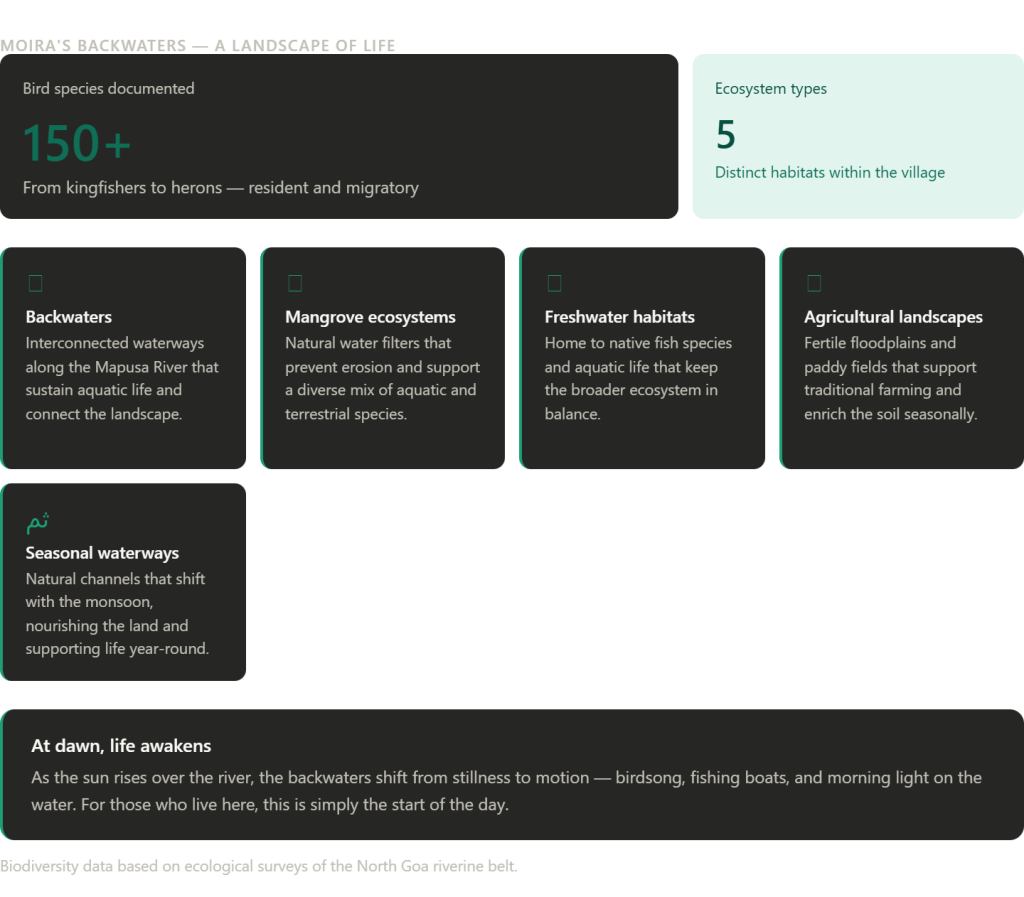
What distinguishes Moira from much of coastal Goa is its relationship with the natural landscape. The village sits along the Mapusa River, and its backwaters offer a quieter, less-trafficked counterpart to the crowded beaches further west.
Kayaking through Moira’s waterways in the early morning is a different kind of Goa experience: unhurried, observational, and restorative. Egrets and kingfishers are common sights. The light at that hour is particular to this part of the world: warm, horizontal, diffuse through the canopy. For those who live here, this isn’t an excursion. It’s simply the morning.
The surrounding landscape also supports a creative energy that has quietly attracted artists, architects, and designers over the years. Moira has a long tradition of craftsmanship: carpentry workshops that have operated for generations, potters, weavers, and makers whose work rarely reaches the curated markets of Panaji but whose quality is no less considered for it.
The Market as a Cultural Barometer
If a village can be understood through what it sells, Moira’s local market is instructive. It doesn’t cater to tourists in any obvious way. Stalls carry fresh produce, the village is known for its unusual banana varieties, cultivated here for centuries, alongside spices, locally made preserves, and handcrafted goods that reflect genuine regional skill rather than mass-produced approximations.
Browsing Moira Market is, in some ways, a more authentic read of Goan culture than most curated experiences the state has to offer. The silver and brass jewellery, the antiques passed between generations, the produce grown in backyard plots, its commerce organised around actual community life, and it shows.
For prospective homeowners, this matters. The character of the market is the character of the neighbourhood. Moira’s is one of continuity, craft, and a mild indifference to outside opinion that tends to preserve rather than dilute what makes a place worth living in.
The Case for Owning Here
Moira occupies a rare position in North Goa’s real estate landscape. It is close enough to established infrastructure, Mapusa, the airport, and the main coastal road to be genuinely convenient, while remaining far enough from the tourist circuit to have retained its texture.
That combination is increasingly difficult to find. As high-demand zones like Assagao, Siolim, and Sangolda have matured and, in some cases, become saturated. Moira has continued to offer what discerning buyers have always sought: architectural character, green density, and a residential quality that feels earned rather than manufactured.
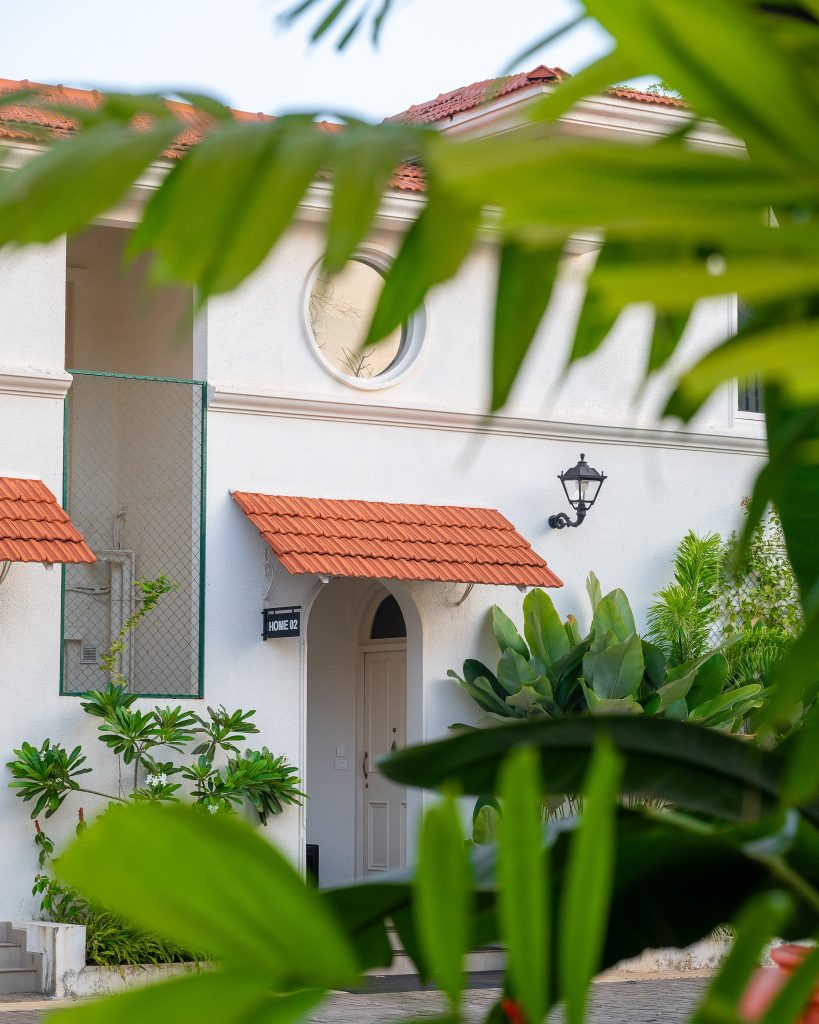
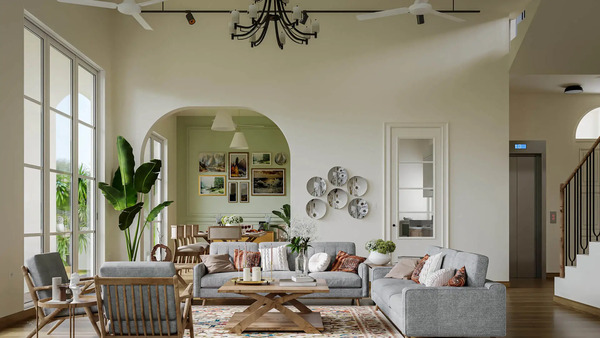
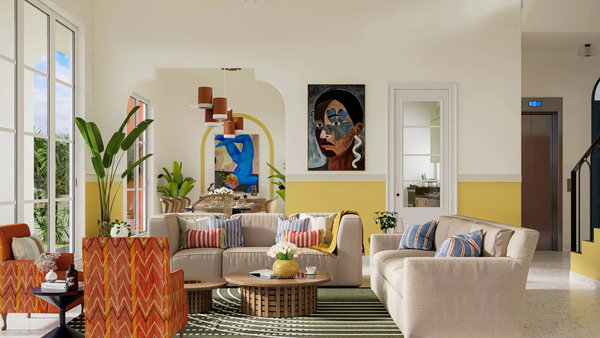
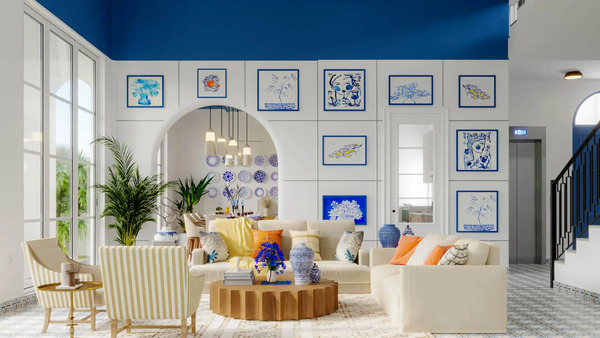
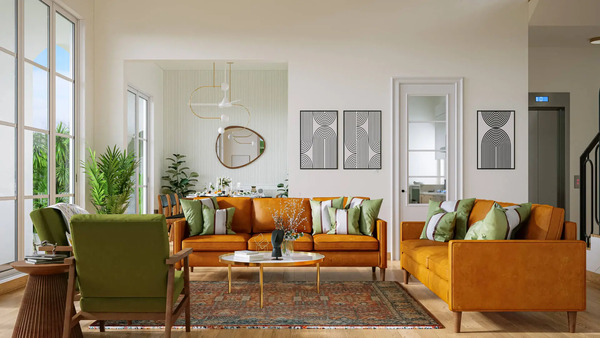
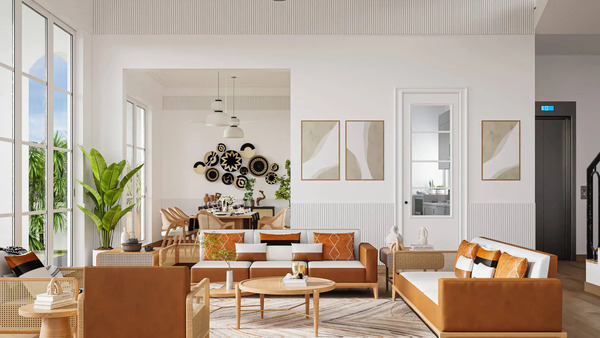
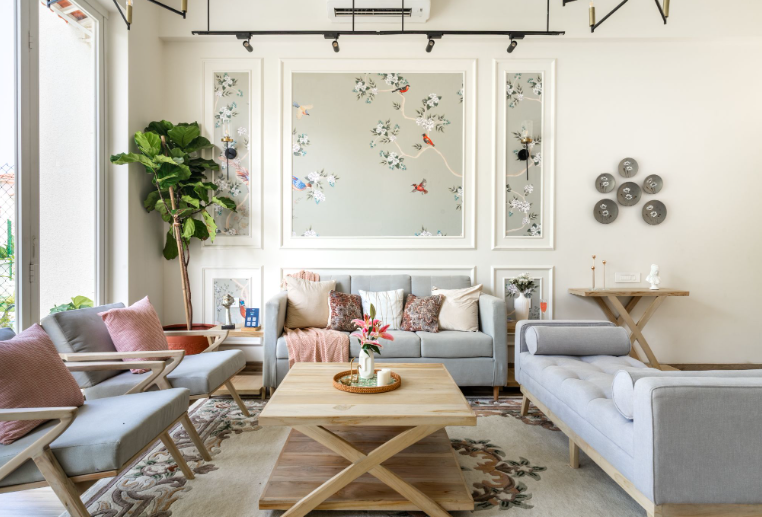
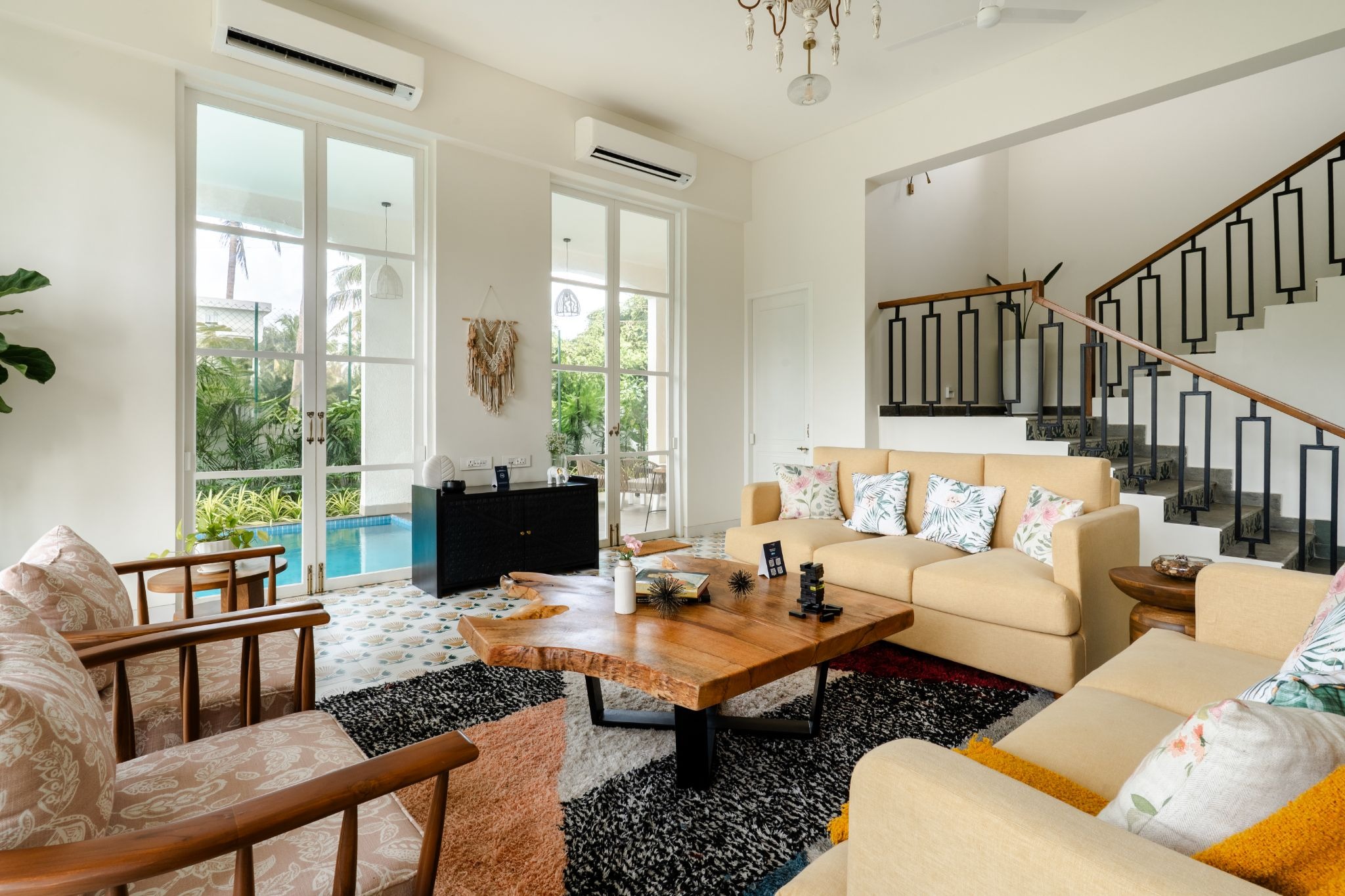
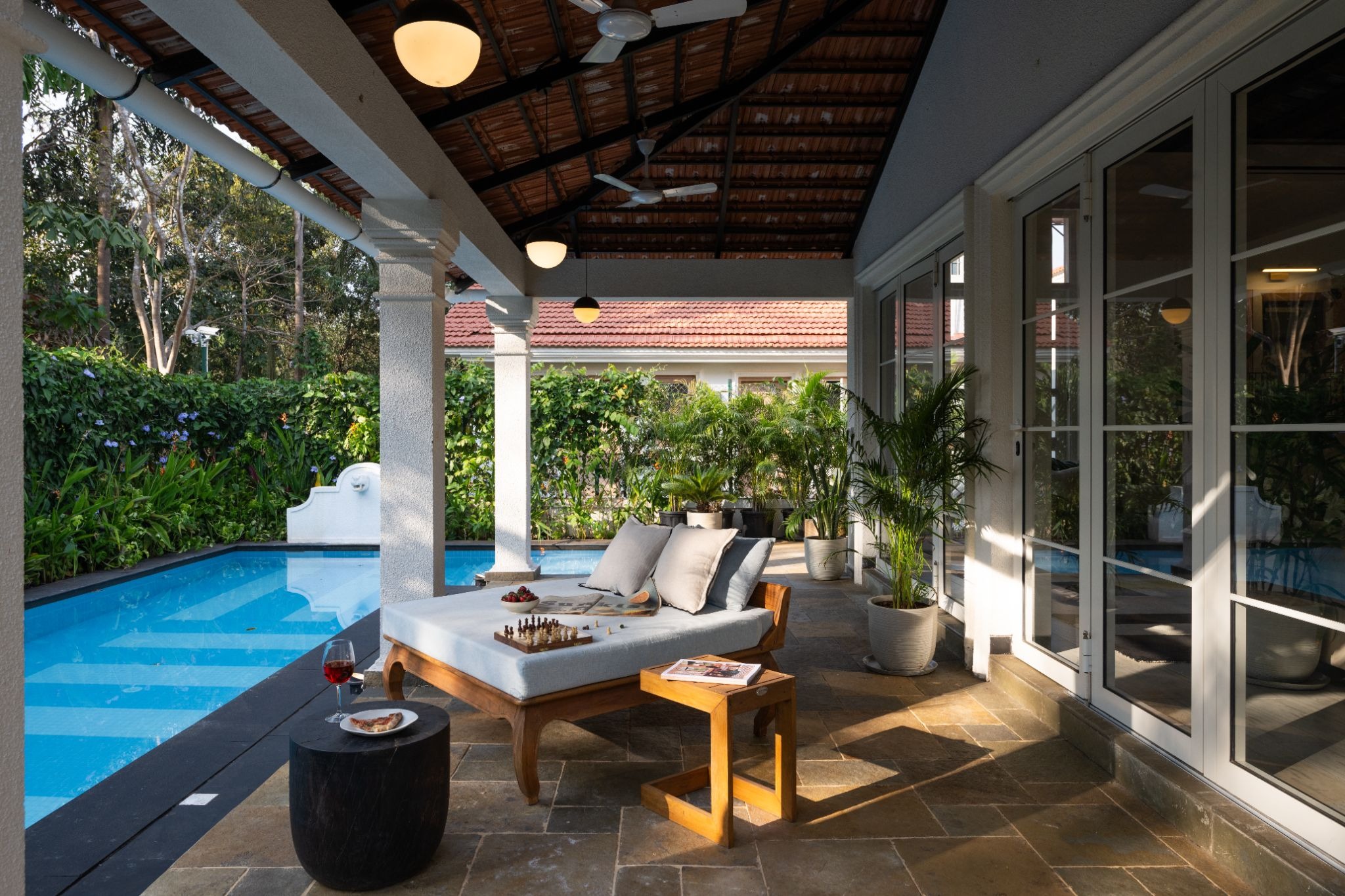
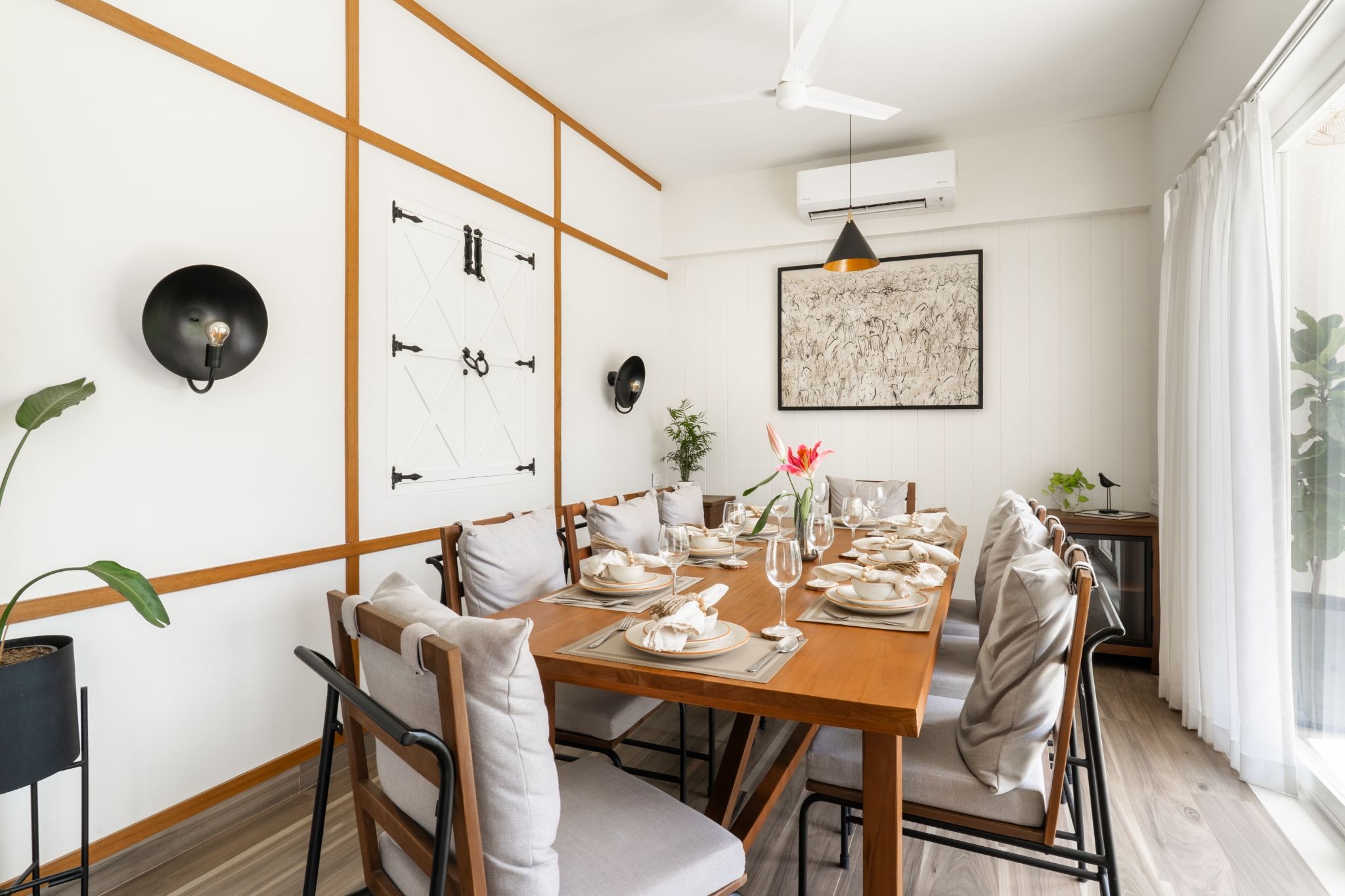
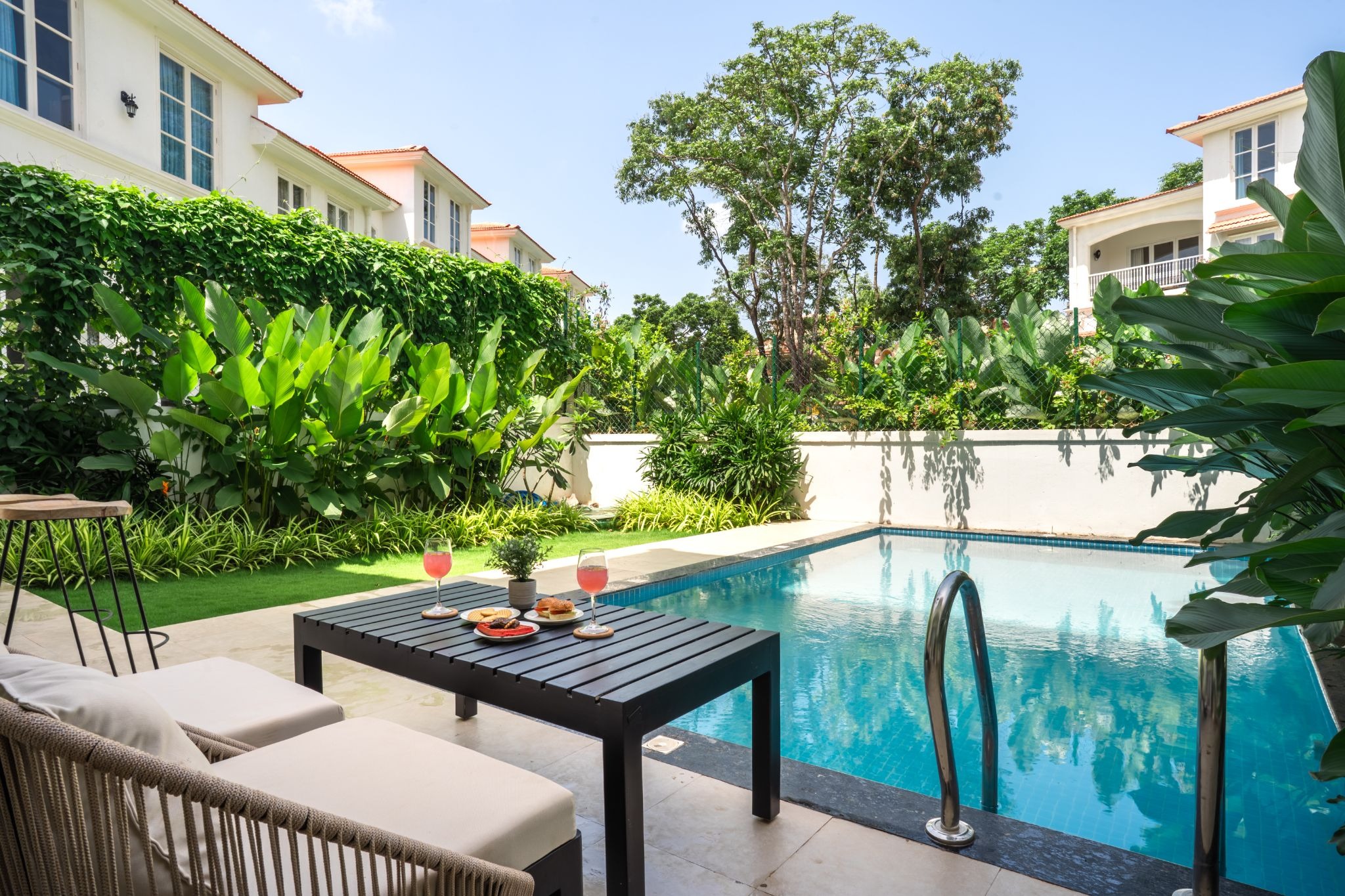
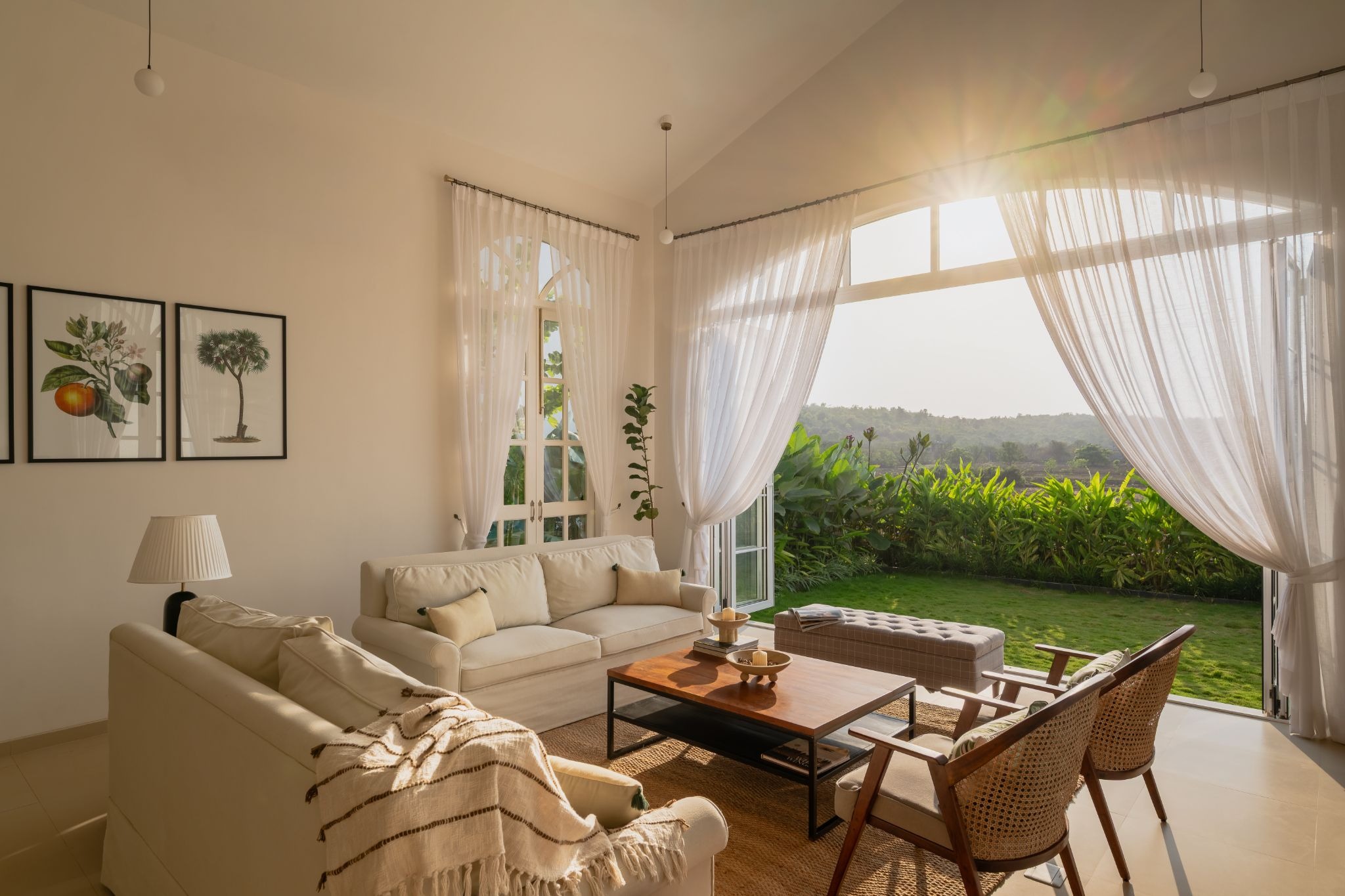
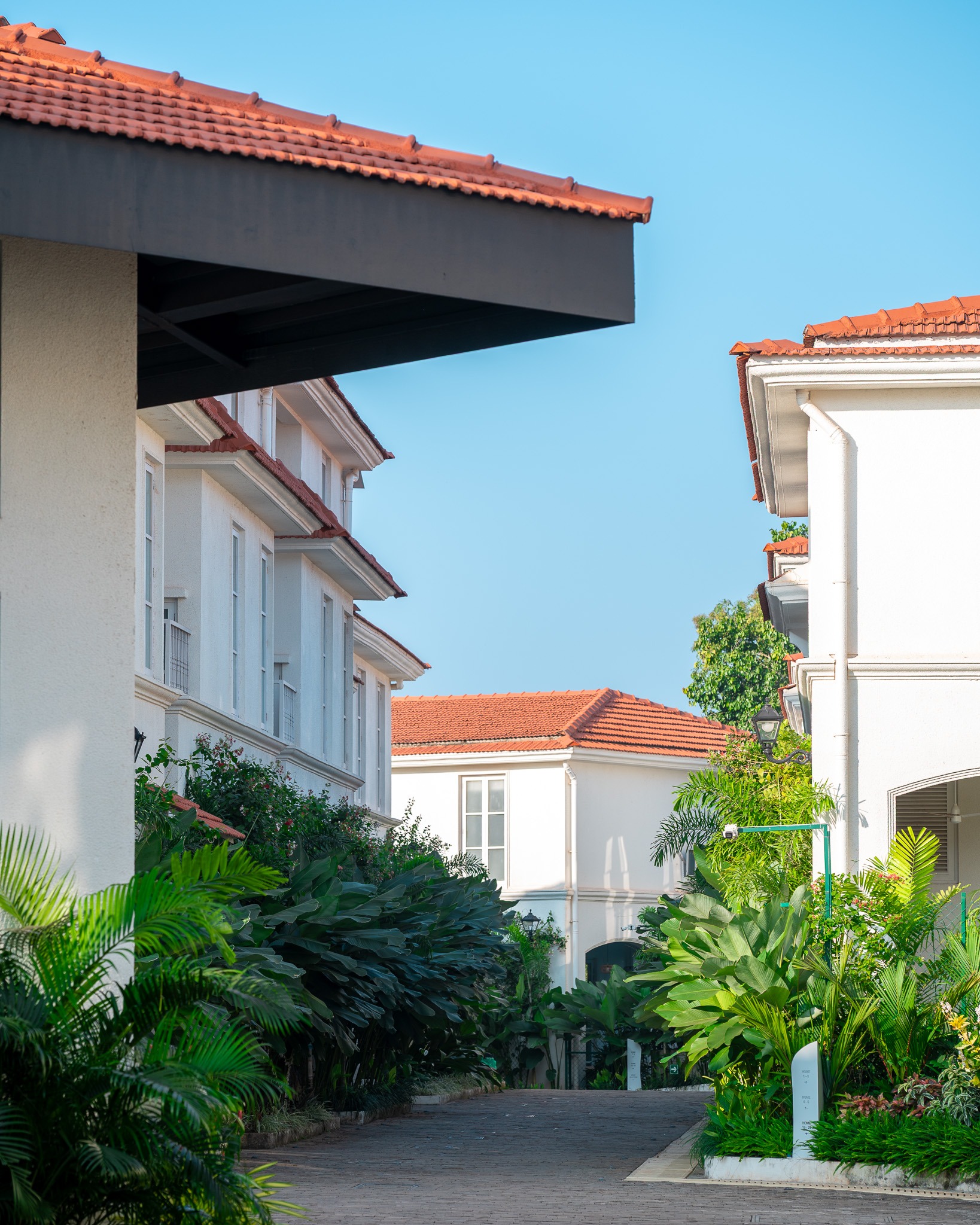
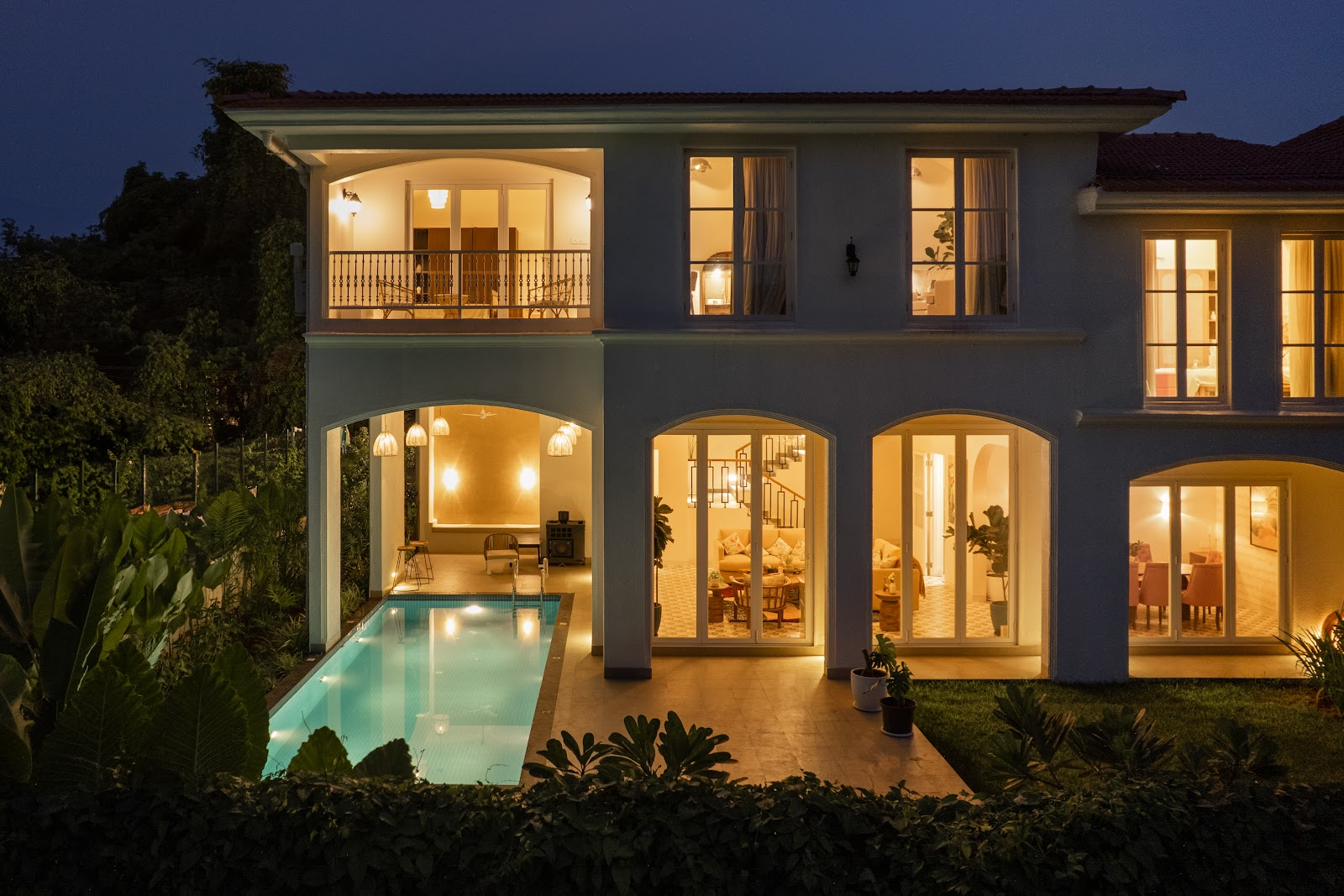
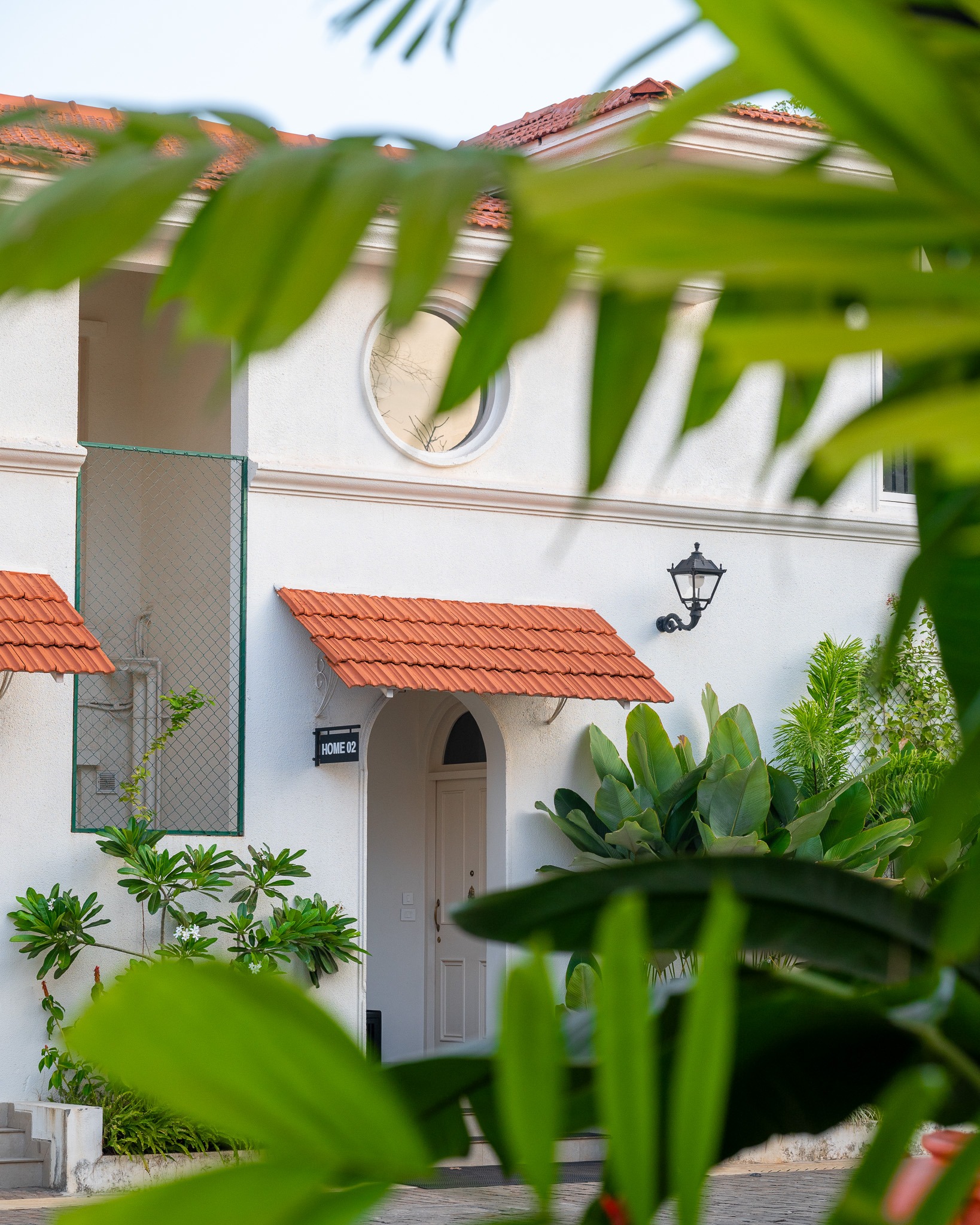
Luxury villas in this context aren’t interruptions of the landscape. Done well, they extend their sensibility: private pools, considered interiors, and the kind of design that takes its cues from Goa’s own vernacular rather than importing an aesthetic from elsewhere.
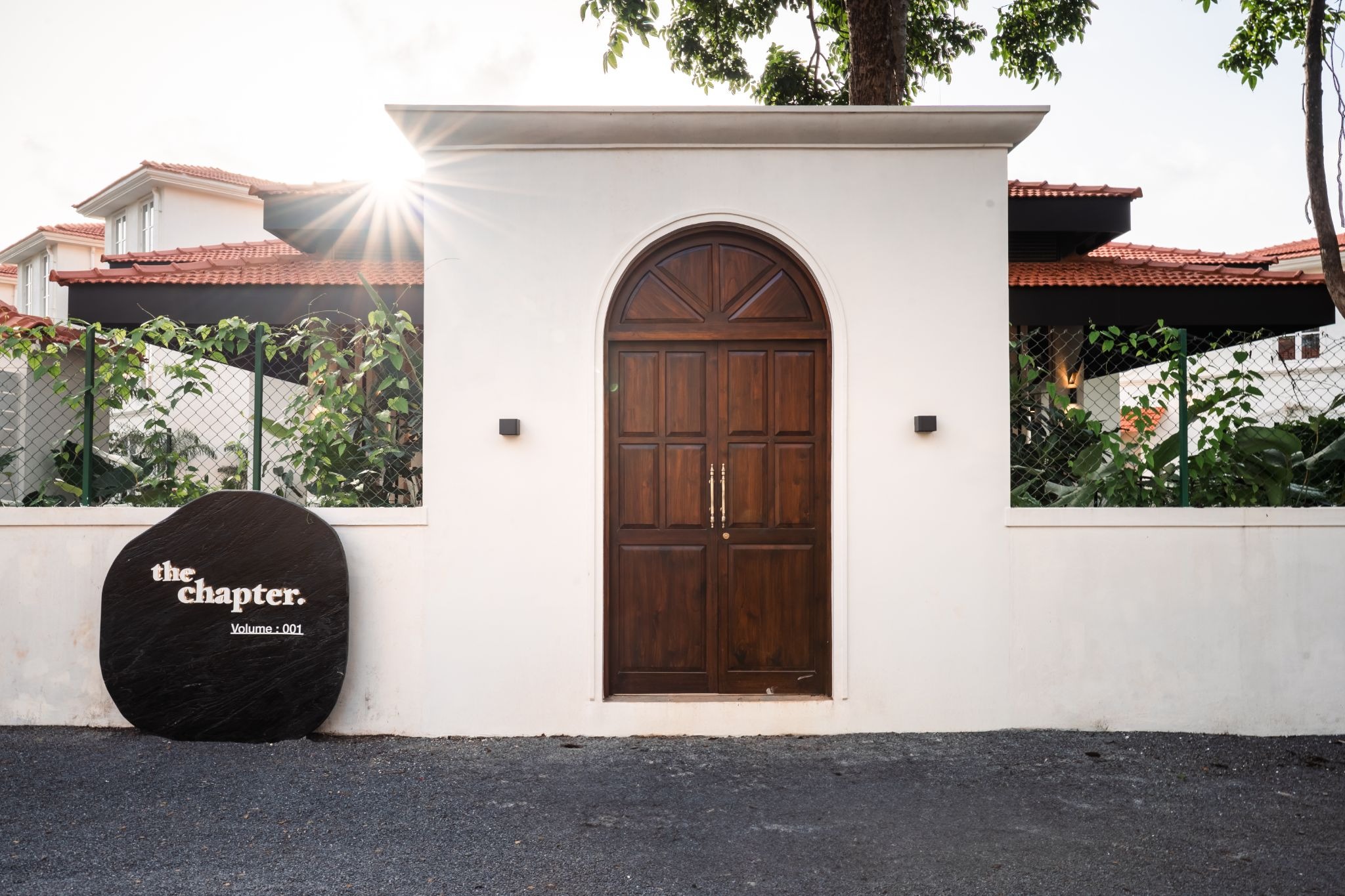
The Chapter’s homes in Moira are built on precisely that logic: that the best version of luxury here is one that understands where it’s situated.
What Moira Asks Of You
The best places to own a home are often the ones that require a little more curiosity than convenience. Moira is not a village that announces itself. It doesn’t have a famous restaurant strip or a well-worn itinerary. What it offers, instead, is the kind of experience that accumulates slowly through walks taken at different hours, through conversations with neighbours, through a familiarity with the landscape that only comes from being present over time.
That’s not a selling point. It’s a way of thinking about what ownership can mean when the property is less a transaction and more a long-term relationship with a place. Moira rewards exactly that kind of commitment.
For those who’ve been looking for the Goa that’s still worth discovering, it’s here, and it has been for a long time.