How portfolio diversification, capital preservation, and lifestyle returns are reshaping investment decisions.
India’s HNI segment is growing at an unprecedented rate. According to the Hurun India Rich List and multiple wealth management reports, the number of HNIs in India has doubled in the past decade. Driven by a surplus start-up ecosystem, rising corporate expenditure, and a maturing capital structure. With this development, a very complex question arises: where will the wealth be spent?
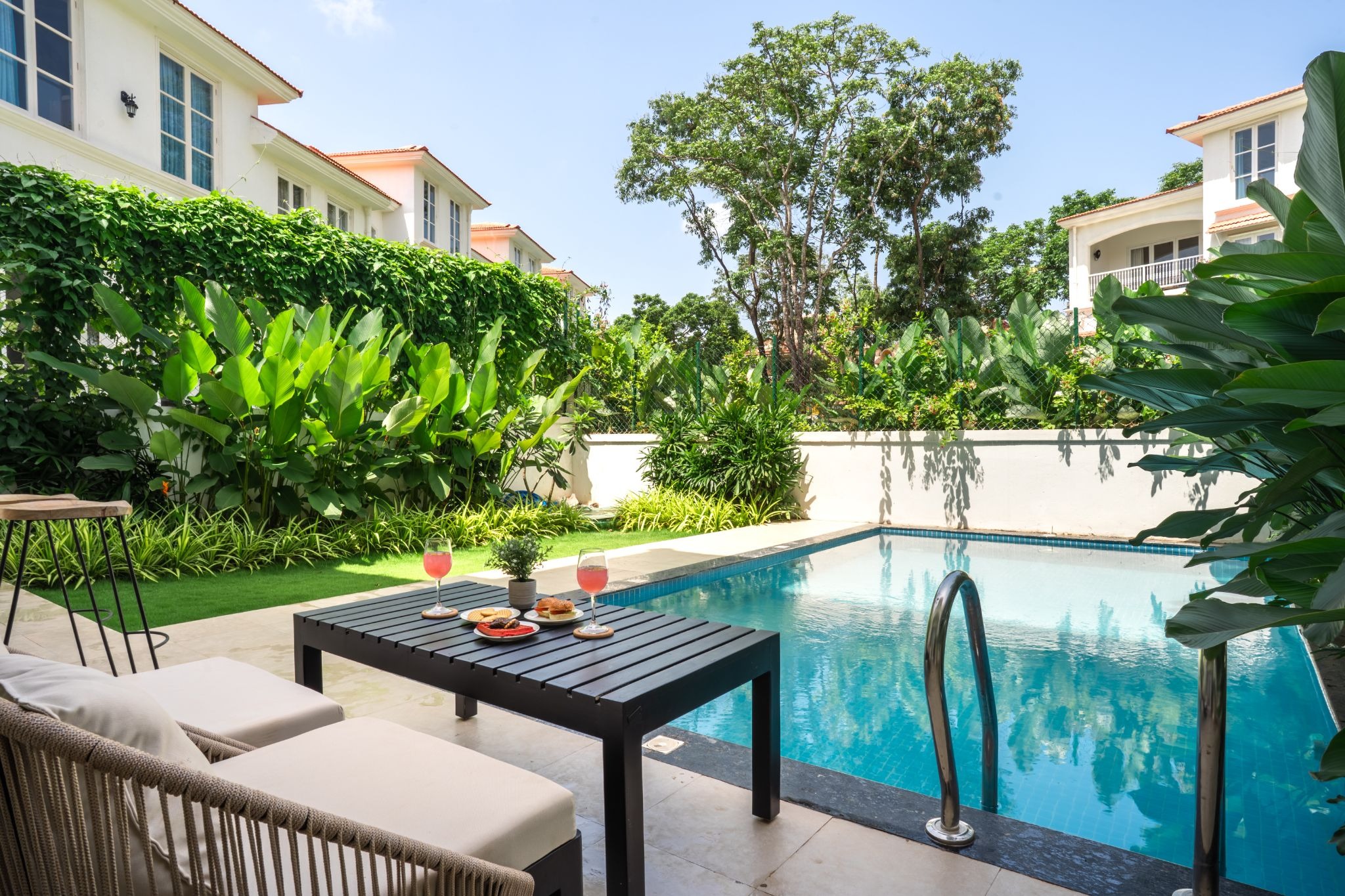
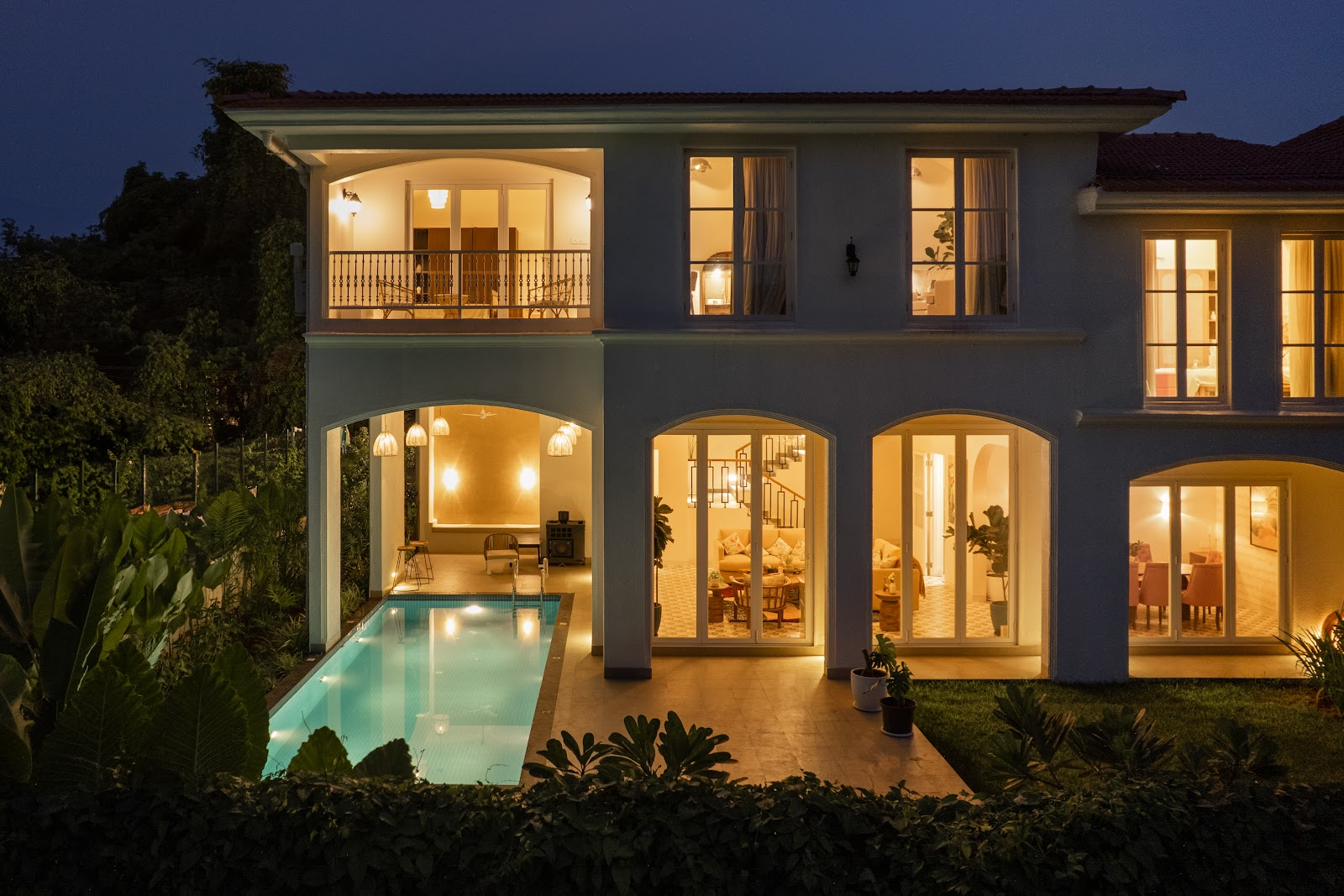
For years, equity investments, mainly stocks, mutual funds, and market-linked instruments, have dominated the portfolios of India’s wealthy. The stock market offered liquidity, scalability, and potential for extraordinary returns. However, in recent years, the landscape has changed; luxury homes and real estate in India are emerging not just as a lifestyle choice but also as a valuable asset collection. Holiday homes, second homes, and luxury villas in secured gated communities are now viewed as assets of capital preservation, passive income generation, and legacy building.
Understanding the Two Asset Classes
Equity investments encompass stocks, equity mutual funds, exchange-traded funds (ETFs), portfolio management services (PMS), and other market-linked asset management. The characteristics of equity as an asset class are its high liquidity. The ability to enter and exit positions rapidly and its potential for significant short-to-mid-term capital gains. India’s equity markets have delivered extraordinary returns over the past. The BSE Sensex has compounded at approximately 14% – 16% annually over the past 20 years. However, this comes with notable volatility. Market corrections, geopolitical events, inflation shocks, and global economic headwinds can erode portfolio value in the short term. For HNIs with large capital deployments, this volatility is not just a financial risk but also a psychological burden.
Luxury Real Estate
| Year | Luxury Supply % (>₹3 Cr) |
| 2023 | 23% |
| 2024 | 13% |
Consisting of estates, villas, and vaddos, these are luxury second homes in gated communities. A tangible asset, its value is anchored in physical land, construction quality, location, and lifestyle amenities rather than the market perception. Unlike equities, luxury real estate tends to appreciate steadily over time, not bothered by the day-to-day disturbances of financial markets. It offers multiple levels of return – Capital appreciation, rental income potential, and the increasing feeling of Lifestyle dividend. The monetary value of owning a space you can live in and enjoy. As a long-term wealth creation vehicle, luxury real estate investment in India has consistently demonstrated patience, particularly in high-demand micro-markets.
Risk vs Stability: What are HNI’s Prioritising today?
The post-pandemic world has altered how HNIs think about risk, particularly the volatility of global equity markets between 2020 and 2023. Driven by pandemic disruptions, rising interest rates, banking sector stress, and geopolitical conflicts. Serves as a reminder that even the most diversified equity portfolios are not exempt from systemic risk.
| Period | Price Surge % |
| Current | 0% |
| 2026 Proj. | 22.5% |
Luxury real estate showcased remarkable stability through the same period. Property prices in sought-after locations like Goa, Alibaug, Coorg, and selective urban pockets not only held their value but also appreciated significantly over time. Today, homeowners are not abandoning growth; they are reconsidering. The focus has now shifted from pure return maximization to a balance between capital preservation and growth. Wealth preservation strategies that incorporate real estate as a stabilizing anchor alongside equity’s growth engine are gaining momentum. The shift reflects a structural evolution in how India’s wealthy define financial security.
Returns: Financial Gains vs Lifestyle returns
Equities at their best offer unmatched return potential. A well-managed portfolio combining large-capitalization stability, mid-cap growth, and tactical sector allocation can deliver compounding returns that help outperform most of the other asset classes over a 10-15 year horizon. For HNIs with a high risk and long investment horizon, equity remains an indispensable component of the portfolio.
The Multi-Layered Returns of Luxury Real Estate
They offer a more complex, multidimensional return profile. Capital appreciation in premium micro-markets, especially in leisure locations and emerging markets. They have been robust with select properties in Goa and Alibaug, now delivering 15% to 25% appreciation over three to five-year periods.
| Location | Luxury % |
| Alibaug | 13% |
| Lonavala | 50% |
| Goa | 15% |
Rental income potential from luxury properties, particularly those listed on exclusive platforms or managed by professional hospitality operators, can help generate meaningful revenue as a passive income stream. Gross rental yields for luxury properties in high-demand locations range from 4% to 8% annually, with some gated communities delivering significantly higher net yields.
Then there is a lifestyle dividend, a concept important to how HNIs evaluate investments. A villa in a scenic location offers personal retreat value, wellness benefits, and opportunities for family bonding and the kind of social capital that cannot be counted through a spreadsheet. As India’s wealthy grow, their idea of living holds extra appeal. The opportunity of financial return paired with lifestyle asset investment is a defining step in the formation of luxury real estate.
Liquidity vs Legacy: A Trade-Off
One of the most frequently advertised advantages of equity over real estate is liquidity. Stocks and mutual funds can be bought and sold in minutes, offering HNIs the flexibility to respond to market opportunities or personal financial requirements. This speed is valuable, especially during periods of market volatility when well-capitalized investors can deploy cash at attractive valuations. Real estate, in contrast, is not that flexible with payments taking time, typically months, for due diligence and legal processes. This is, however, not viewed as a disadvantage but rather as an interesting feature, which helps create discipline and decision-making and aligns with the idea of a long-term investment. And most of all, real estate carries a character and legacy, a premium property, particularly in a well-located family home, is a tangible vs intangible asset that is an heirloom. It represents its roots, history, and sense of identity, and for many, this also holds an emotional and psychological security, derived from real estate ownership, which is as important as the financial returns on it. The idea of generational wealth and legacy is increasingly harboured in India’s HNIs and is central to how India’s wealthy are approaching long-term investment.
The Rise of Second Homes as Investment Assets
The most important shift in Indian luxury real estate over the last five years is the transformation of second homes from idle assets to an active investment tool. For years, a second home was a personal indulgence; a holiday home for leisure and left largely unoccupied. And this has been quietly disrupted over the last few years. The rise of remote and hybrid work has permanently changed the way India’s professionals and business owners relate to geography. The ability to work from anywhere has made investing in a second home not just a lifestyle but a strategic decision. A home in Goa, or a holiday retreat in Kasauli, is no longer about a weekend escape; it can be your primary residence for extended periods, a rental asset generating second income when not in use, and a long-term capital investment all in one.
The growth of Villa management services has further aided second-home ownership. Managed communities offer hassle-free ownership structures where the property is maintained, marketed and rented on behalf of the owner generating a passive income without the operational burden. This model has helped to fundamentally change the investment calculus for HNIs evaluating property investment vs stocks.
Why Luxury Homes is Gaining Ground in India
Several structures come together in harmony to form the case for luxury homes in India as listed below:
| Factor | Key Details |
| Supply Constraints | Premium land in desirable locations—coastal, hill station, and curated private communities—is inherently limited. Unlike commercial real estate or affordable housing, luxury supply cannot be easily scaled, creating natural price support over the long term. |
| NRI and Global Investor Demand | The depreciation of the Indian rupee against major currencies has made Indian luxury real estate increasingly attractive to the Indian diaspora. NRI investment in premium properties—particularly in Goa, Kerala, and metro cities—has grown substantially, supporting price appreciation. |
| Micro-Market Growth | The growth of micro-markets like Goa, Alibaug, Coonoor, Kasauli, and the Konkan coast has created a new geography of luxury real estate that did not meaningfully exist a decade ago. These markets are characterised by strong organic demand, improving infrastructure, and limited premium supply—a combination that supports long-term capital appreciation. |
| Developer Innovation | A new generation of developers is creating managed villa communities that combine luxury design with professional hospitality management, offering investors a genuinely hassle-free ownership experience. This institutional quality in the luxury segment has raised the credibility of real estate as an investment category. |
| Wellness and Lifestyle Priorities | Post-pandemic, India’s wealthy have placed renewed emphasis on wellbeing, nature access, and quality of life. Luxury real estate that delivers on these dimensions commands a premium that is unlikely to erode. |
Portfolio Diversification: The Hybrid Approach
Portfolio diversification approach for HNIs follows a barbell model: liquid, high-growth equity positions at one end, and stable and tangible real estate assets at the other end of the spectrum, with various alternative investments in between. Real estate helps serve as a hedge against market volatility, when markets correct, premium real estate tends to hold steady returns, providing a stable ground for financial health.
Key Considerations Before Investing
| Consideration | Key Insights |
| Investment Horizon | Equity suits investors who need liquidity within a 3–7 year window. Luxury real estate is a 7–15 year play, with peak returns typically accruing over a longer holding period. |
| Risk Appetite | High-volatility investors with strong stomachs and diversified portfolios may tilt equity-heavy. Those prioritising capital preservation and steady compounding should consider a higher real estate allocation. |
| Lifestyle Goals | If the investment is intended to serve both a financial and personal purpose—as a family retreat, wellness sanctuary, or legacy property—the lifestyle dividend shifts the calculus decisively toward real estate. |
| Location and Asset Quality | In luxury real estate, location is not just important—it is determinative. A premium property in a supply-constrained, high-demand micro-market will significantly outperform one in a saturated or poorly connected location. Developer credibility, construction quality, and management track record are equally important filters. |
| Tax and Regulatory Environment | Both equity and real estate carry distinct tax implications. Long-term capital gains on equity are taxed at 12.5% (above ₹1.25 lakh), while real estate gains are taxed at 20% with indexation for long-term holdings. Professional tax and legal advice is essential before any significant deployment. |
The Future of Luxury Homes, Where Smart Money is Moving
Equity will continue to be the engine for portfolio growth, India’s long-term economic trajectory, a growing middle class, increasing corporate earnings, and deepening capital appreciation support sustainable growth. Luxury real estate is now transitioning from an alternative investment to a core asset, one that anchors the portfolio, delivers multiple return streams, and satisfies the lifestyle aspirations of wealth creators, HNIs, and Ultra-HNIs.
| Asset Class | Liquidity | Growth Potential | Income Generation | Lifestyle Value | Risk Profile |
| Equities | High (days) | High volatility | Dividends (variable) | None | Market swings |
| Luxury Real Estate | Low (months-years) | Steady appreciation | Rental yields | High (retreat, wellness) | Capital preservation |
| Combined Portfolio | Balanced | Optimized | Passive + stable | Enhanced quality of life | Diversified stability |